How Smoking and Other Common Habits Can Affect All-on-4 Dental Implants
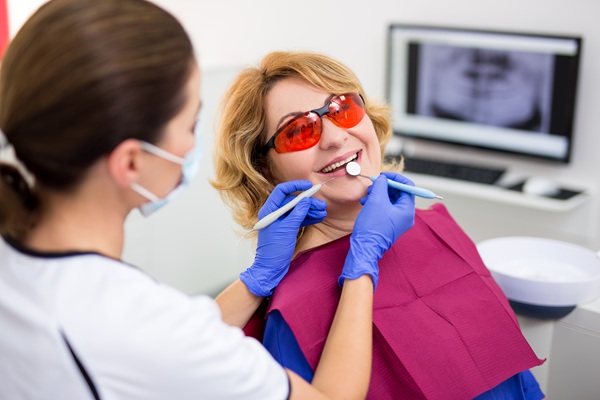
All-on-4 dental implants offer a stable, long-term solution for extensive tooth loss, but daily habits can strongly influence healing, comfort, and long-term success. While this treatment aims to restore function and confidence, the mouth still needs a healthy environment to support the implants and surrounding tissues. Certain routines that seem minor at first can place added stress on the gums, bone, and prosthetic teeth. Understanding these habits helps patients protect their investment and reduce the risk of avoidable complications.
Smoking can slow healing and increase the risk of complications
Smoking is one of the most important habits to address before and after implant treatment. Tobacco affects circulation, which means the gums and bone may not receive the healthy blood flow needed for proper healing. When the body cannot deliver oxygen and nutrients efficiently, recovery after implant placement may take longer and may be less predictable. This creates a less favorable environment for successful integration between the implants and the jawbone.
Smoking can also increase the risk of infection and inflammation around the implant sites. The tissues may become more irritated, and the body may struggle to respond as effectively to bacteria in the mouth. Over time, this can contribute to peri-implant disease, a condition that affects the gums and bone around dental implants. For patients considering All-on-4 dental implants, reducing or stopping smoking can make a meaningful difference in both short-term healing and long-term stability.
Teeth grinding places excess pressure on the implants
Bruxism, or habitual teeth grinding and clenching, is another common concern. Although All-on-4 dental implants are designed to withstand everyday chewing forces, constant grinding places pressure beyond normal function. This repeated stress can affect the prosthetic teeth, the implant components, and the supporting structures beneath them. Without proper management, grinding may lead to wear, loosening, or even damage over time.
Many people grind their teeth during sleep and may not realize it. Signs often include jaw soreness, headaches, facial tension, or unusual wear on natural teeth and restorations. A dentist may recommend a custom night guard or other protective strategies to reduce the force placed on the implants. Managing this habit early can help preserve the strength and longevity of All-on-4 dental implants.
Poor oral hygiene can threaten long-term success
Even though the visible teeth in an All-on-4 restoration are artificial, daily cleaning still matters. Plaque and bacteria can accumulate around the gumline and along the restoration if patients neglect brushing and flossing techniques. This buildup can irritate the soft tissue and create inflammation that affects the bone supporting the implants. Over time, poor hygiene may lead to complications that shorten the lifespan of the restoration.
Patients sometimes assume implant-supported teeth are immune to the same issues that affect natural teeth. While the prosthetic teeth cannot decay, the surrounding gums and bone remain vulnerable to disease. Proper hygiene often includes specialized brushes, water flossers, and regular professional cleanings to keep the area healthy. Consistent maintenance plays a major role in protecting All-on-4 dental implants for years to come.
Using teeth as tools can damage the restoration
Another habit that can affect implant health is using the teeth to open packages, bite fingernails, chew ice, or hold objects. These actions create unnecessary force in ways the restoration is not designed to handle. While the implants are strong, repeated misuse can damage the prosthetic teeth or place stress on the framework and implant components. Small problems can become larger and more expensive when these habits continue.
Chewing on hard objects also increases the chance of fractures or wear. A patient may not notice immediate damage, but repeated pressure adds up over time. Protecting All-on-4 dental implants means treating them with the same care, or even greater care, than natural teeth. Healthy chewing habits support better long-term performance and reduce the likelihood of repairs.
Skipping follow-up visits can allow problems to grow
Routine dental visits are essential after implant treatment, yet some patients delay them once the smile looks and feels stable. This can be risky because early signs of inflammation, bite imbalance, or component wear are often easier to manage when caught quickly. Professional evaluations help confirm that the implants remain secure and that the surrounding tissues stay healthy. These visits also give the dental team a chance to clean areas that may be difficult to reach at home.
Protecting the investment in a new smile
All-on-4 dental implants can dramatically improve stability, comfort, and quality of life, but daily habits still shape the outcome. Smoking, grinding, poor oral hygiene, harmful chewing habits, and missed dental visits can all reduce the long-term success of treatment. When patients understand these risks and make thoughtful changes, they give their implants a stronger foundation for lasting results. A healthy routine supports healing, protects the restoration, and helps the new smile remain strong and dependable. For more information, call our office.
To schedule a consultation, please request an appointment on our website at https://www.charlesdyeriv.com or call Charles E. Dyer IV, DDS, MS, PC at (281) 213-0900 to arrange an appointment at our Cypress office.
Check out what others are saying about our dental services on Google: All-on-4 Dental Implants in Cypress, TX.
Related Posts
An implant specialist can guide patients through the whole dental implant process. This tooth replacement is increasingly popular because many people find that implant-supported restorations feel and look the most natural. A specialist, like our periodontist, can answer any questions a patient may have before they commit to this treatment option.A dental implant replaces the…
Flipper teeth are removable dental appliances that can quickly replace missing teeth. On the other hand, dental implants permanently replace tooth roots to support long-term, irremovable tooth replacements. While flipper teeth can address immediate concerns, dental implants provide a more natural and lasting tooth replacement that supports oral health, jawbone strength, and facial appearance. Knowing…
Dental implants play a crucial role in maintaining and improving periodontic health. They are a long-lasting and reliable solution for replacing missing teeth, providing both functional and aesthetic benefits. When teeth are lost, the surrounding structures in the mouth, including the gums and jawbone, are negatively impacted. Dental implants not only restore the appearance of…
Dental implants are a long-term solution for replacing missing teeth, providing both functional and aesthetic benefits. However, when individuals choose not to pursue dental implants after losing teeth, they may experience a range of negative effects on their oral and periodontic health. The absence of dental implants can lead to issues that affect the health…