An Implant Specialist Answers 5 FAQs About Tooth Replacement
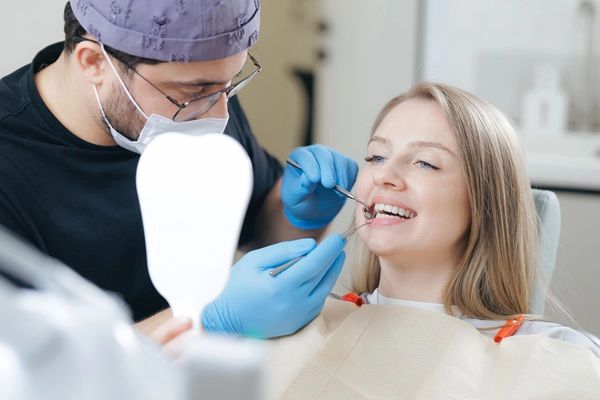
An implant specialist can guide patients through the whole dental implant process. This tooth replacement is increasingly popular because many people find that implant-supported restorations feel and look the most natural. A specialist, like our periodontist, can answer any questions a patient may have before they commit to this treatment option.
The mechanics of modern tooth replacement
A dental implant replaces the root of a missing tooth and anchors a visible tooth replacement like a crown, bridge, or denture. The implant specialist places a small titanium implant post into the jawbone, where the natural root once sat. As the area heals, the bone bonds with the post through a process called osseointegration. This connection creates a secure anchor for the final restoration.
After the implant has healed, the specialist attaches a small connector called an abutment. After about another week or two, once the gums have healed, a custom restoration then connects to the abutment to complete the visible part of the tooth replacement. This step-by-step process creates a new tooth that does not rely on neighboring teeth for support. Once the final restoration is in place, patients can chew, speak, and smile with ease and comfort.
Frequently asked questions about implants
Here are some of the most common questions implant specialists get about this innovative tooth replacement option.
1. What makes dental implants different from traditional dentures or bridges?
Traditional dentures rest on top of the gums and may rely on fit, suction, or adhesive for stability. Though they can restore the appearance of the smile, some patients notice movement during meals or conversations. Meanwhile, a dental bridge can replace a missing tooth with a fixed restoration, but it often needs support from the natural teeth on each side of the gap.
Dental implants work differently than these traditional options because the implant post stands on its own inside the jawbone. This allows the replacement tooth to function without reshaping healthy neighboring teeth for support. The implant post also stimulates the jawbone every time the patient chews, keeping the bone healthy and strong.
2. How long does the entire treatment process take?
The treatment timeline depends on the patient’s oral health, how quickly they tend to heal, and whether any preparatory work is needed. In many cases, the implant process takes several months from the first consultation to the final crown placement. As mentioned, the implant needs time to bond with the jawbone before it can support the final restoration.
Moreover, some patients need tooth extraction, bone grafting, or gum disease treatment from a periodontist before the implants can be placed safely. These steps may extend the timeline, but they help create a healthier foundation for long-term success. An implant specialist can outline a personalized schedule after reviewing digital images, bone structure, gum health, and the location of the missing tooth. While the process requires patience, the final result can provide stable support that feels almost indistinguishable from a natural tooth.
3. Does the surgical procedure cause significant discomfort?
Many patients feel nervous about implant surgery, but modern techniques help keep the appointment comfortable. The implant specialist numbs the treatment area before beginning, so patients should not feel pain during the procedure. Many patients find the visit more manageable than they expected.
4. How do you care for implant-supported restorations?
Dental implants need consistent care; thankfully, that care is not so different from natural teeth. Simply brush twice daily with a soft-bristled toothbrush and clean between the teeth each day. Floss, water flossers, or interdental brushes may help remove plaque around the implant and nearby teeth. Also, make sure to get regular dental checkups so that a provider can monitor oral health and implant stability.
5. Are there any age restrictions for receiving this treatment?
Yes, dental implants are generally not recommended for patients under 18. This is because the jawbone is still developing and may undergo changes up until this point. However, there is no real upward age limit for implants. As long as the patient has a strong enough jawbone in that area, as well as good oral health, they may qualify. An implant specialist can confirm candidacy during an appointment.
Speak with an implant specialist
An implant specialist, like our periodontist at Charles E. Dyer IV, DDS, MS, PC, can help patients understand whether dental implants fit their oral health needs, lifestyle, and long-term goals. We can evaluate gum health, bone support, and the missing tooth area before recommending the next step. Contact our Cypress office today for a consultation.
Request an appointment here: https://www.charlesdyeriv.com or call Charles E. Dyer IV, DDS, MS, PC at (281) 213-0900 for an appointment in our Cypress office.
Check out what others are saying about our services on Google: Implant Specialist in Cypress, TX.
Related Posts
Receding gums can be a sign that you have gum disease. It can also be a sign of poor brushing habits or using a toothbrush that is too hard. receding gums leave teeth roots exposed to acids made by oral bacteria, increasing their risk of decay.Teeth roots do not have an outer layer of enamel…
Receding gums is a condition that leads to gum tissues pulling back from teeth roots. It leaves these roots exposed to acids made by oral bacteria that cause decay. Unlike the crown of a tooth, which is protected by enamel, teeth roots have an outer layer called cementum that is not as durable as enamel.…
When advanced gum disease (periodontitis) creates deep spaces around the teeth, pocket reduction surgery can help make those areas easier to maintain. These periodontal pockets collect plaque, tartar, and bacteria below the gumline, where routine brushing and flossing cannot reach effectively. As pockets deepen, inflammation can damage the gum tissue and bone that support the…
Dental crown lengthening is a periodontal procedure that reshapes gum tissue and, when necessary, the underlying bone to expose more of a tooth's surface. A periodontist may recommend this treatment before restorative care or to improve the appearance of an uneven or overly prominent gumline. Understanding each stage of the process can help patients know…