Gum Disease Prevention: Tips from a Periodontist
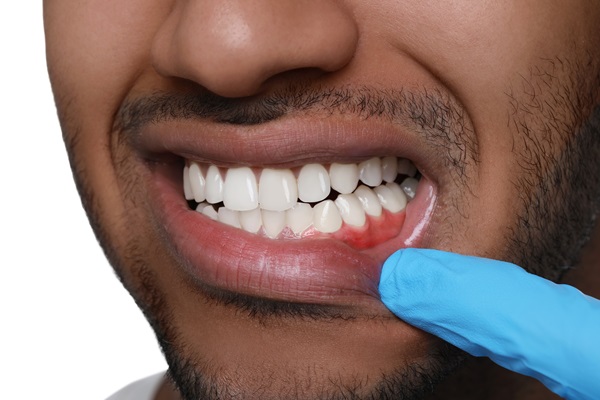
A periodontist is the right professional to speak to for gum disease prevention tips. Gum disease is one of the leading drivers of dental visits as it is the second most common dental issue. Periodontists are dentists with three additional years of training after dental school, learning how to prevent, diagnose, and treat issues that affect the structures inside the mouth like gum tissues.
Many periodontists spend most of their time treating patients with gum disease. Formally known as periodontal disease, gum disease is a bacterial infection of gum tissues. It is caused by the bacteria inside plaque and tartar infecting these tissues, prompting an immune response that leads to inflammation.
Plaque is a sticky film that builds up in the mouth and houses bacteria. It gives you the mushy mouth you get after waking up in the morning. It can be removed by brushing and flossing, but it hardens into tartar when left on teeth for more than 24 hours. At that point, brushing will not do anything to get rid of it. It has to be removed with a scaler. That means it gives bacteria a haven to attack teeth and gum structures in the mouth.
Our periodontist shares some gum disease prevention tips
The first stage of gum disease is called gingivitis, and it can be reversed by improving oral hygiene and teeth cleanings. Sometimes, more intense treatments like deep cleanings are needed to reverse gingivitis. Some of the symptoms associated with gingivitis include bleeding or discolored and tender gum tissues.
Periodontitis is the more advanced stage of gum disease, and the infection cannot be reversed at this stage. It is the leading cause of adult tooth loss and often comes with symptoms like loose teeth, bad breath, and exposed teeth roots. Periodontitis is a chronic condition that can only be managed by dentists. It is also linked to serious health conditions like diabetes, heart attacks, and strokes.
Fortunately, periodontal disease can be prevented by doing simple things. Some of the gum disease prevention tips our periodontist wants patients to know include:
1. Brush at least twice a day
Brushing twice a day is the bare minimum for anyone looking to prevent gum disease. Ideally, aim to brush after every meal to give teeth maximum protection. Bacteria need the sugars in leftover food particles to make plaque and tartar. Brushing teeth after meals denies them the fuel they need to cause gum disease. Brushing regularly also helps to minimize the bacterial population in the mouth.
The most important time to brush is right before going to bed since bacteria wreak the most havoc on teeth during sleep due to reduced saliva production. The tongue should be thoroughly cleaned during these brushing sessions to keep the bacteria population in your mouth to a minimum.
2. Floss daily
Flossing is just as important as brushing is as far as gum disease prevention is concerned. It cleans the areas of teeth the bristles of a toothbrush cannot reach. Only brushing teeth and not flossing allows plaque and tartar to build up in interdental spaces where they can still cause gum disease. Flossing once daily is enough to keep these areas clean.
3. Use an antibacterial mouthwash
Mouthwash is not a necessary part of oral hygiene, but it does help to protect against tooth decay and gum disease. Many of these products contain compounds that kill bacteria, protecting against gum disease while freshening the mouth. Periodontists also prescribe therapeutic mouthwashes for patients who are already showing symptoms of gum disease.
4. Reduce risk factors
Habits like smoking cigarettes increase a person’s risk of developing periodontal disease, so try stopping them. Other factors that make a person more prone to gum disease include age and health issues like diabetes. People who are at a higher risk of developing gum disease will have to be even more diligent with their oral hygiene routine and diets to protect their mouths.
5. Visit a periodontist twice a year
This might be the most important thing a person can do to protect themselves against periodontitis. Gingivitis is the reversible stage of gum disease, but symptoms are typically hard to detect at this phase. However, a periodontist is trained to notice the slightest signs of gum disease, allowing them to diagnose periodontal disease while it can still be reversed. Periodontists use these visits to examine their patients' mouths and perform preventative treatments like teeth cleanings, which protect against gum disease and tooth decay.
Our periodontist is here to help
Gum disease will eventually lead to bone and tissue structures in your mouth getting damaged if left untreated. Fortunately, doing the things listed above protects you from getting it in the first place. Call or stop by our Cypress clinic for more gum disease prevention tips.
Request an appointment here: https://www.charlesdyeriv.com/ or call Charles E. Dyer IV, DDS, MS, PC at (281) 213-0900 for an appointment in our Cypress office.
Check out what others are saying about our dental services on Google: Gum Disease Prevention in Cypress, TX.
Related Posts
Receding gums leads to gum tissues pulling back from teeth roots, making your teeth appear abnormally large. Teeth roots are protected from acids made by oral bacteria by the gum tissues that cover them, so gum recession leaves them vulnerable to these acids, increasing their risk of decay.Receding gums can be caused by several things,…
Gums deterioration exposes the tissue that protects the teeth's roots. Receding gums may also occur around an improperly placed tooth. When the origins of the teeth become exposed due to receding gums, the teeth are more susceptible to decay, infection, and loss. People may halt or reverse the progression of gum recession if they seek…
Receding gums are usually a scary and painful condition. It helps to be aware of the symptoms of gum recession as well as how to avoid them. Various issues may cause gum recession, but individuals who smoke or use tobacco regularly are more prone to it. Continue reading to learn more about why this is…
Receding gums are more likely to affect people over 30, but aging does not necessarily cause it. Gum recession is often a symptom of gum disease, an infection of gum tissues caused by the bacteria inside plaque and tartar. These microorganisms build these substances, which house them, and the acids that they make.People over the…