Managing Pain and Discomfort After a Gingivectomy
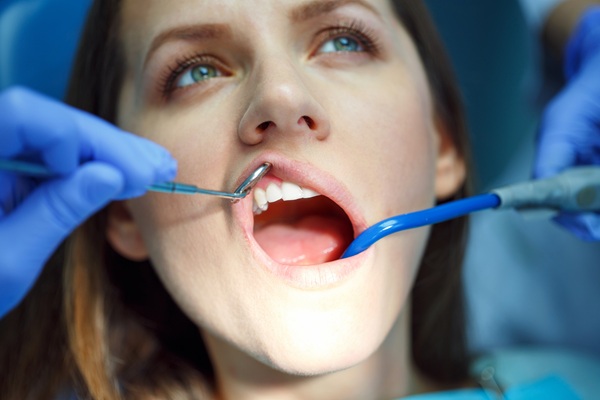
Gingivectomy treatment helps reshape or remove excess gum tissue, and proper aftercare can support comfort during the healing process. This periodontal procedure may help improve oral health, create better access for cleaning, or enhance the appearance of the gumline. Mild soreness, swelling, and tenderness are common after treatment, but patients can manage discomfort with the right care instructions. Understanding what to expect after a gingivectomy can make recovery feel easier and more predictable.
What to expect after a gingivectomy
A gingivectomy involves removing or contouring gum tissue around one or more teeth. Depending on the reason for treatment, the periodontist may use traditional instruments, a laser, or other specialized tools. After the procedure, the gum tissue begins healing right away, though the area may feel sensitive for several days.
Some patients notice tenderness when speaking, eating, brushing, or drinking cold beverages. Minor bleeding may occur during the first day, especially if the treated area becomes irritated. Swelling may also appear around the gums, lips, or nearby soft tissue. These symptoms usually improve as the gums begin to heal, but following the periodontist’s directions remains important.
Using medication as directed
Pain control often starts with the medication recommendations provided after treatment. Some patients may only need over-the-counter pain relievers, while others may receive a prescription depending on the extent of the procedure. Taking medication as directed can help reduce soreness before it becomes harder to manage.
Patients should avoid taking aspirin unless the dental team approves it, as it may increase bleeding in some people. Any antibiotics, medicated rinses, or special oral care products should be used exactly as instructed. Skipping doses or stopping medication early can interfere with healing if the periodontist prescribes them for infection control or tissue protection.
Applying cold compresses
Cold compresses can help reduce swelling and tenderness during the first day after a gingivectomy. A soft ice pack or cold cloth may be placed on the outside of the cheek near the treated area. Using short intervals helps protect the skin while giving the tissue time to rest.
Cold therapy works best during the early recovery period when swelling first begins. After the first 24 hours, the dental team may recommend switching to warm compresses if stiffness or lingering soreness develops. Patients should follow the specific instructions provided after the procedure because each recovery plan may vary.
Choosing soft, gentle foods
Food choices can make a major difference in comfort after gum surgery. Soft foods are usually easier to chew and less likely to irritate the healing tissue. Examples include yogurt, scrambled eggs, applesauce, mashed potatoes, oatmeal, smoothies, pasta, and soft-cooked vegetables.
Patients should avoid crunchy, spicy, acidic, hot, or hard foods while the gums feel tender. Chips, seeds, nuts, crusty bread, citrus fruits, and hot soups may disturb the treated area or increase discomfort. Drinking through a straw may also create pressure in the mouth, so the dental team may recommend avoiding straws during the early stage of healing.
Keeping the mouth clean without irritation
Oral hygiene remains important after a gingivectomy, but the treated area needs gentle care. Brushing and flossing around untreated teeth can usually continue, but the surgical area may require special instructions. Patients should avoid aggressive brushing around the healing gums, as friction can cause soreness or bleeding.
A periodontist may recommend a medicated mouth rinse or gentle saltwater rinses after the first day. Rinsing should be slow and careful rather than forceful. Clean tissue heals better, but the goal is to remove bacteria and food debris without disturbing the area.
Avoiding habits that slow healing
Certain habits can increase pain or delay gum healing. Smoking, vaping, and tobacco use can reduce blood flow to the gums and raise the risk of irritation or infection. Alcohol can also interfere with healing and may interact with certain medications. Patients should also avoid touching the treated area with fingers, the tongue, or dental tools.
Managing gum sensitivity
Sensitivity can appear as the gums heal and adjust after treatment. Cold drinks, brushing, or exposure to air may cause brief discomfort near the treated teeth. This sensitivity often improves as the tissue settles and the area becomes less inflamed.
Using a soft-bristled toothbrush can help reduce irritation during recovery. The dental team may also recommend toothpaste for sensitive teeth if the exposed areas feel uncomfortable. Patients should avoid whitening products until the periodontist confirms that the gums have healed enough for regular use.
Get a checkup today
A gingivectomy can improve the health and shape of the gums while also providing better access for oral hygiene. However, proper recovery care is important for comfort. Pain and discomfort often improve with medication, soft foods, gentle cleaning, cold compresses, and careful activity choices. Following the periodontist’s instructions can help the gums heal smoothly and support a more comfortable recovery. For more information or to schedule an appointment, call our office.
Request an appointment here: https://www.charlesdyeriv.com or call Charles E. Dyer IV, DDS, MS, PC at (281) 213-0900 for an appointment in our Cypress office.
Check out what others are saying about our services on Google: Gingivectomy in Cypress, TX.
Related Posts
Gums deterioration exposes the tissue that protects the teeth's roots. Receding gums may also occur around an improperly placed tooth. When the origins of the teeth become exposed due to receding gums, the teeth are more susceptible to decay, infection, and loss. People may halt or reverse the progression of gum recession if they seek…
Sedation dentistry can help patients feel calmer during periodontal treatments that protect the gums, teeth, and supporting bone. Gum care may involve longer appointments or work below the gumline, which can make anxious patients delay treatment. A periodontist can use sedation to reduce stress while completing necessary care safely and efficiently.Periodontal treatments address inflammation and…
Receding gums are usually a scary and painful condition. It helps to be aware of the symptoms of gum recession as well as how to avoid them. Various issues may cause gum recession, but individuals who smoke or use tobacco regularly are more prone to it. Continue reading to learn more about why this is…
Receding gums are more likely to affect people over 30, but aging does not necessarily cause it. Gum recession is often a symptom of gum disease, an infection of gum tissues caused by the bacteria inside plaque and tartar. These microorganisms build these substances, which house them, and the acids that they make.People over the…