How to Prepare for Your Upcoming Oral Surgery
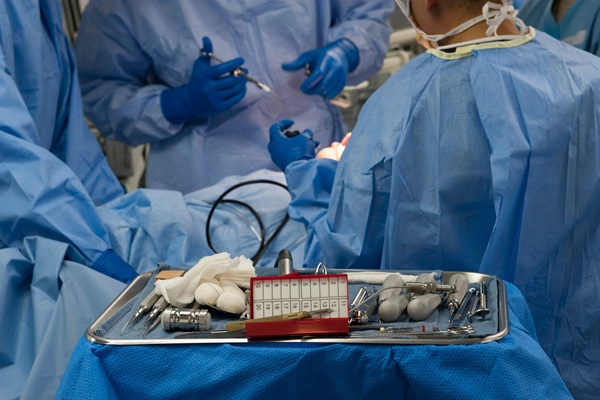
Oral surgery, regardless of the reason, can feel daunting. However, it can feel less stressful when a clear plan guides each step. Partnering with the periodontist before the appointment begins can foster comfort, safety, and a smooth healing process throughout.
Know the oral surgery procedure and health factors
Understanding the basics reduces worry. Ask the periodontist what the procedure aims to fix, how long the visit may take, and what type of anesthesia or sedation the periodontist recommends. Note that if the procedure is considered an invasive oral surgery, there may be more health risks involved. Therefore, it is important to disclose any underlying medical conditions that may increase bleeding or impact healing, like diabetes or oral cancer. Clear information helps the oral surgery plan align with individual needs, reducing the likelihood of surprises.
Medications, supplements, and habits to discuss
Certain products can affect bleeding, swelling, or anesthesia. Bring a full list of prescriptions, over-the-counter pain relievers, vitamins, and herbal supplements. Include their dosages and frequency of use. Also, ask whether any items should be paused before the oral surgery and for how long. Discuss tobacco and nicotine use, as these significantly slow healing. A stop plan, even for a short time, improves oxygen flow to tissues and supports stronger results.
One week before: Build a safe plan
Depending on the specific oral surgery, patients may not need to prepare too much the week before. However, to be safe, there are a few things to consider in this time frame:
- If the surgery involves anesthesia, confirm a responsible adult to drive home and stay nearby afterward.
- Arrange the appropriate amount of time (ask the periodontist) off from work or school.
- Arrange child or pet care.
- Stock soft, nourishing foods such as yogurt, eggs, mashed potatoes, smoothies, and soups.
- Gather cold packs, gauze, a small pill organizer, and an extra pillow for head elevation.
- Review the written instructions that the periodontist likely gives during the consultation, and save the office number for quick help.
Note that if the periodontist wants to add or take away from this list, they will inform each patient during a consultation.
Day before and day of: Final preparations
The day before a surgery is just as important, if not more so, than the day of. Following these simple steps protects each patient's comfort and safety:
- Follow any directions for eating and drinking, as fasting may be necessary.
- Take only improved medications with a small sip of water, and avoid unapproved pain relievers that increase bleeding, like Aspirin or other blood thinners.
- Choose loose, short-sleeve clothing and remove jewelry, bring photo ID, insurance card, and approved payment method.
- Brush and floss gently, but avoid mouthwash, the night before and the morning of oral surgery.
- Arrive early—at least 15 minutes— to allow time for forms, questions, and blood pressure checks.
Preparing the home for easy recovery
Healing feels smoother when essentials sit within reach. Set up a rest spot with extra pillows to keep the head elevated, a side table for water and medications, and a notebook to record the timing of pain medicine and gauze changes. Place the phone charger nearby and queue a favorite show or music to encourage rest. Avoid strenuous activity, heavy lifting, and bending too often during the first few days, as these can increase bleeding and swelling. Planning ahead turns recovery into a simpler routine than a scramble.
What to expect right after the procedure
Numbness and mild pressure are common early on. Small amounts of bleeding may appear and should slow with firm gauze pressure. Swelling usually peaks 48-72 hours, then settles. Cold packs in short intervals help with puffiness during the first day, while warm compresses may feel better after the initial swelling phase. Take prescribed or recommended medications on schedule rather than waiting for intense discomfort. Lastly, hydration supports healing, but avoid using straws, smoking, carbonated beverages, and alcohol since these can disturb delicate areas and slow clotting.
Small nutrition and mouth care
Soft, cool foods reduce irritation and supply energy. Choose protein-rich options to aid tissue repair and add fruits and vegetables in blended or well-cooked forms. Again, sip water regularly to stay hydrated. For mouth care, brush other areas of the mouth as normal while avoiding surgical sites until the periodontist says it is safe. When approved, start gentle rinses with saltwater or a prescribed rinse to keep the area clean. Good daily care helps oral surgery sites stay comfortable and reduces the risk of infection.
Let Charles E. Dyer IV, DDS, MS, PC prepare you for an upcoming surgery
Preparation turns a big day into a manageable plan. With clear instructions, oral surgery often feels easier than expected, and recovery moves faster. Do you have an oral surgery scheduled and want to ensure you are adequately prepared? Contact Charles E. Dyer IV, DDS, MS, PC to prepare the right way.
Request an appointment here: https://www.charlesdyeriv.com or call Charles E. Dyer IV, DDS, MS, PC at (281) 213-0900 for an appointment in our Cypress office.
Check out what others are saying about our dental services on Google: Oral Surgery in Cypress, TX.
Related Posts
Oral surgery is a vital component of dental care, used to address complex oral health issues that require more than just routine dental procedures. While many people are familiar with dental cleanings and fillings, oral surgery becomes necessary when more invasive intervention is required. Understanding when oral surgery is necessary will help patients recognize the…
Dealing with an oral health challenge is not how anyone wants to spend their time, but the good news is that an oral biopsy can clarify the problem and how best to approach it. An oral surgeon may use a biopsy to diagnose issues like infections or potentially cancerous cells. However, patients should not feel…
A sinus lift is an oral surgery procedure used to add bone to the upper jaw in the area of the molars and premolars. It is a necessary step in dental implant procedures when there is not enough natural bone tissue present in the jaw to support the implant.The sinus cavity, also known as the…
If you have an oral surgery procedure coming up, read on to learn more about the process and recovery. The extraction of a tooth requires oral surgery and it typically comes with a 10-day recovery period. The key to a quick recovery from a tooth extraction is keeping the blood clot that develops in its…