Is an Oral Surgeon Also a Dental Implant Specialist?
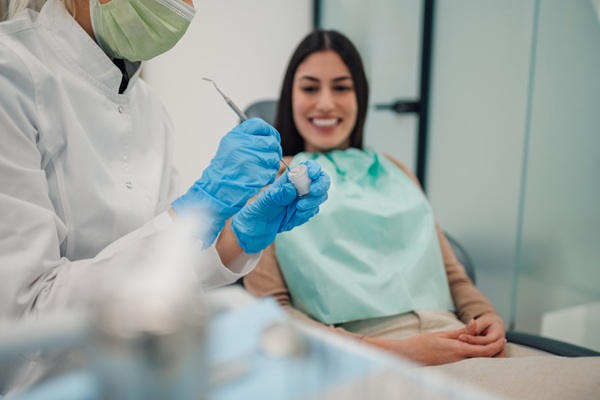
Having your teeth replaced by a dental implant specialist is a great way to restore missing teeth because they stay in permanently and feel just like your own. You can chew your food and have a vibrant smile because no one can tell just by looking at you that you have dental implants. The ability to function normally (and discreetly) is why many people turn to implants as their solution for missing or broken teeth. If this sounds like you, then you'll certainly want to learn more about who should perform this procedure for you.
You may be questioning if your oral surgeon is also an implant specialist. Let's take a closer look at answering the question so you can choose the right treatment plan moving forward.
Who should do this procedure?
While dental implants have become a common procedure, there still are some risks. An oral surgeon is someone who was educated and trained in specialized dentistry and then spent an additional four to six years out of their “Doctor of Dental Surgery” or “Doctor of Dental Medicine” training in a hospital environment where they crafted their surgical skills even though an oral surgeon has the skills of general dentistry they give that up so that they can focus solely on being an oral surgeon.
A better success rate
While it is true that general periodontists perform dental implant surgeries, the Journal of the American Dental Association has found that the success rate is much better when a patient sees an oral surgeon as the dental implant specialist. This is because, in addition to advanced training and clinical experience, oral surgeons have been exposed to a wider variety of complications, so they are better prepared for anything that may arise during the surgery.
Some of the concerns an oral surgeon is highly trained to address include diminished bone density and nerve position. If you have gum disease or any other medical condition, an oral surgeon will be better prepared as your dental implant specialist since they have advanced training.
What to expect
The process begins with the planning period, where molds are taken of your teeth to ensure that later when the dental implant is inserted, it will fit into your mouth and align around your current bite. Creating this mold offers an exact impression of your teeth, and this is how you and your oral surgeon can expect a perfect fit.
During the procedure, you will likely be consciously sedated with a local anesthetic. Your gums are cut open, and holes are drilled into the bone. This is when the post for the dental implant is inserted. Now that the implant is inserted, a process called osseointegration can begin. This just means that your jaw bone will grow into the implant, making it seem like a natural part of you. Now you can plan a second surgery where the abutment is attached, and this is where the crown and the artificial tooth will be placed. This is when you can begin chewing your food with your new tooth and get on with your life with a brighter smile.
Don't be afraid to ask questions
As you narrow down the right professional for your implants, make sure that you ask plenty of questions. You may ask about their experience, training, and previous outcomes with patients. Your oral surgeon is more than happy to discuss their background and provide the necessary information so you can make the most informed decision regarding your oral health. Don't forget to consider online or word-of-mouth reviews from family and friends. Your oral health depends on quality care, and doing due diligence will ensure that you get the care that you deserve.
Learn more about a dental implant specialist
Dental implant surgery has a very high success rate, but you can do your part to make a successful outcome even more likely. You will need to practice daily oral hygiene to ensure your oral health. You will want to keep the gum and tissue surrounding the implant clear of particulates during the healing process. Even once you have fully healed and your new tooth or teeth feel like a part of you, it will be important to brush and floss just as you do with your natural teeth. You should speak with your implant specialist to learn if this is the right solution for you.
Request an appointment here: https://www.charlesdyeriv.com/ or call Charles E. Dyer IV, DDS, MS, PC at (281) 213-0900 for an appointment in our Cypress office.
Check out what others are saying about our dental services on Google: Implant Specialist in Cypress, TX.
Related Posts
Receding gums leads to gum tissues pulling back from teeth roots, making your teeth appear abnormally large. Teeth roots are protected from acids made by oral bacteria by the gum tissues that cover them, so gum recession leaves them vulnerable to these acids, increasing their risk of decay.Receding gums can be caused by several things,…
Gums deterioration exposes the tissue that protects the teeth's roots. Receding gums may also occur around an improperly placed tooth. When the origins of the teeth become exposed due to receding gums, the teeth are more susceptible to decay, infection, and loss. People may halt or reverse the progression of gum recession if they seek…
Sedation dentistry can help patients feel calmer during periodontal treatments that protect the gums, teeth, and supporting bone. Gum care may involve longer appointments or work below the gumline, which can make anxious patients delay treatment. A periodontist can use sedation to reduce stress while completing necessary care safely and efficiently.Periodontal treatments address inflammation and…
Receding gums are usually a scary and painful condition. It helps to be aware of the symptoms of gum recession as well as how to avoid them. Various issues may cause gum recession, but individuals who smoke or use tobacco regularly are more prone to it. Continue reading to learn more about why this is…