Gingivitis Treatment Options That Actually Work
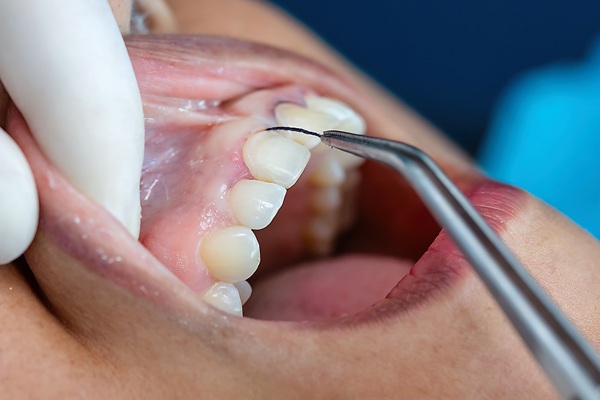
Effective gingivitis treatment starts with removing the cause—plaque and tartar that inflame the gums. Periodontists diagnose severity, map risk, and create simple steps that restore comfort, stop bleeding, and prevent relapse.
Remove the cause first
Plaque fuels inflammation, so the clinical team begins with a thorough cleaning. A hygienist removes tartar above and below the gumline and polishes rough areas that trap bacteria. The periodontist checks pockets, bleeding points, and bite forces, then sets a clear follow-up plan. This first phase often stops tenderness and reduces swelling within days.
Professional care that fixes bleeding
Targeted cleanings, localized antimicrobial gels, and short courses of prescription rinses control bacterial load. The team coaches brushing angles and interdental techniques to reach the collar around each tooth. If pockets measure deeper than ideal, the periodontist performs site-specific scaling and root planing to create a surface that allows the gums to hug it tightly again. Clear goals and straightforward instructions help maintain steady progress between visits.
Home habits that work every day
Successful gingivitis treatment depends on a routine that patients can maintain. Use this quick plan:
- Brush twice daily for two minutes with a soft brush and fluoride toothpaste
- Clean between teeth once daily with floss or interdental brushes sized by the team
- Rinse with an alcohol-free antimicrobial or fluoride mouthwash as recommended
- Choose water over sugary or acidic drinks and limit frequent snacking
This rhythm reduces plaque, strengthens enamel, and calms inflamed tissues.
When to add adjuncts
Some mouths need extra support. High-risk sites benefit from prescription-strength rinses for short, guided periods. Electric brushes with pressure sensors improve consistency for busy families. Custom trays can deliver low-dose antimicrobial gels to stubborn zones. Night guards protect inflamed gums from clenching forces that worsen irritation. With balanced tools, gingivitis treatment stays effective without adding complexity.
For patients with persistent bleeding at specific sites, targeted protocols make a measurable difference. The periodontist may map bleeding points on photos, then assign color-coded interdental brushes to match each space. A short course of 0.12% chlorhexidine at night can support control while the technique improves. For sensitive tissues, a stannous fluoride rinse reduces bacteria and strengthens enamel. Water flossers help around bridges and orthodontic wires, but technique still matters; aim along the gumline, not directly into pockets. Recheck high-risk areas within four to six weeks to confirm healing, adjust tools as needed, and establish the next maintenance interval for sustained gingival health.
Address systemic and lifestyle factors
Tobacco irritates gums and slows healing, so cessation boosts every outcome. Many medications reduce saliva; the team recommends hydrating, using sugar-free lozenges, and choosing saliva substitutes when needed. Nutrient-dense meals with fiber, lean proteins, and healthy fats support tissue repair. Patients who manage reflux, diabetes, and dry mouth reduce flare-ups and extend results.
Know the line between gingivitis and periodontitis
Gingivitis affects soft tissues only, while periodontitis damages bone. The periodontist monitors pocket depths, mobility, and radiographs to protect the support around each tooth. If signs point to early periodontitis, timely therapy—such as localized antibiotics, advanced debridement, or minimally invasive surgery—prevents further loss. Early action saves structure and reduces long-term costs.
Set maintenance that prevents relapse
Inflammation returns when plaque control fades. Three- to six-month professional cleanings maintain healthy margins and reset habits. The team updates risk scores, refreshes techniques, and tracks areas that once bled. Consistent maintenance keeps gingivitis treatment on course and converts short-term wins into a stable, comfortable mouth.
Costs, coverage, and smart timing
Most dental plans cover exams and preventive cleanings at high percentages, which lowers barriers to early care. The office shares written estimates and sequences visits to fit budgets. Patients often start with urgent areas, then move to full-mouth polishing and targeted adjuncts. Thoughtful timing stretches benefits while preserving momentum.
Clear signs of progress
Healthy gums feel firm, look coral pink, and bleed rarely. Breath stays fresher, and cold sensitivity fades. Chewing feels more comfortable as inflammation recedes. These markers confirm that gingivitis treatment works and that the plan matches the mouth’s needs.
Stay on track with gingivitis treatment
Lasting gum health comes from a simple formula: remove plaque thoroughly, support healing with targeted tools, and return for maintenance before problems grow. With consistent habits and timely professional care, gingivitis treatment delivers calm gums, confident smiles, and long-term protection. For more information or to schedule an appointment, call our office at (281) 213-0900.
To schedule a consultation, please request an appointment on our website at https://www.charlesdyeriv.com/ or call Charles E. Dyer IV, DDS, MS, PC at (281) 213-0900 to arrange an appointment at our Cypress office.
Check out what others are saying about our services on Google: Read our Google reviews.
Related Posts
Receding gums leads to gum tissues pulling back from teeth roots, making your teeth appear abnormally large. Teeth roots are protected from acids made by oral bacteria by the gum tissues that cover them, so gum recession leaves them vulnerable to these acids, increasing their risk of decay.Receding gums can be caused by several things,…
Gums deterioration exposes the tissue that protects the teeth's roots. Receding gums may also occur around an improperly placed tooth. When the origins of the teeth become exposed due to receding gums, the teeth are more susceptible to decay, infection, and loss. People may halt or reverse the progression of gum recession if they seek…
Sedation dentistry can help patients feel calmer during periodontal treatments that protect the gums, teeth, and supporting bone. Gum care may involve longer appointments or work below the gumline, which can make anxious patients delay treatment. A periodontist can use sedation to reduce stress while completing necessary care safely and efficiently.Periodontal treatments address inflammation and…
Receding gums are usually a scary and painful condition. It helps to be aware of the symptoms of gum recession as well as how to avoid them. Various issues may cause gum recession, but individuals who smoke or use tobacco regularly are more prone to it. Continue reading to learn more about why this is…