 Diabetes can wreak havoc on several aspects of a person’s health, including tooth and gum health, with a strong connection between diabetes and gum disease. Bleeding gums are one of the earliest signs of gum disease and should be an immediate cause for concern for any person who lives with either type 1 or type 2 diabetes.
The connection between diabetes, bleeding gums, and gum disease
Extensive research has revealed that the relation between diabetes and gum disease is a two-way street. Diabetes is a disease that hinders the body’s ability to process sugar. When blood sugar levels are high, both the gum tissue and saliva contain higher levels of sugar. In turn, sugar contributes to the growth of plaque and bacteria in the mouth by feeding those harmful substances.
Plaque that grows rampant and uncontrolled can irritate the gum tissue, leading to swollen, red, and bleeding gums. If left untreated, this irritation can result in early gum disease — or gingivitis — and, eventually periodontal disease, which can quickly progress to tooth loss and other adverse outcomes.
Moreover, gum disease can actually worsen diabetes. Such infections can cause individuals’ blood sugar levels to rise, making it more difficult for them to control the diabetes. This results in a vicious cycle of gum infection and high blood sugar levels.
Preventing gum disease in diabetic patients
The good news is that controlling and/or preventing gum disease in diabetic patients is as simple as keeping diabetes under control. Diabetic patients who have their blood sugar levels under control are less likely to develop issues such as bleeding gums, infection, and gum disease. These individuals are also less likely to lose teeth.
In addition to monitoring and controlling blood sugar levels, diabetics should monitor the gums daily for signs of gum disease, including redness, tenderness, inflammation, and bleeding. By alerting dentists sooner rather than later about the possible development of gingivitis, patients can quickly halt the progression of the disease and, in the process, improve blood sugar control.
Self-care tips for people with diabetes
Individuals who live with diabetes should be extra vigilant about oral health. Diabetics can follow these tips to prevent inflammation:
- Take diabetes-related medications as directed by a healthcare professional
- Exercise and maintain a healthy, low-sugar diet
- Avoid smoking and tobacco-containing products
- Visit a dentist for regular cleanings and checkups
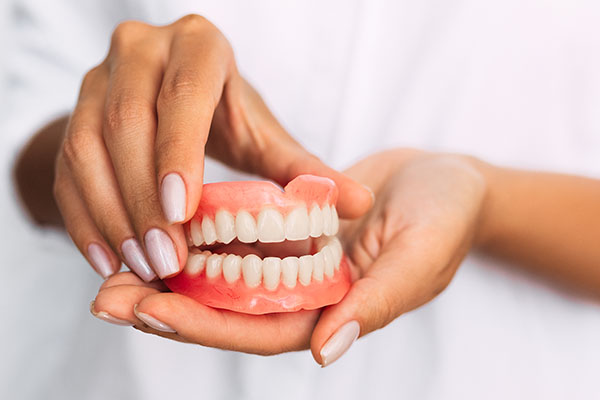
- Clean dentures daily, if applicable
Above all, diabetic patients should be extra vigilant about oral hygiene. It is vital to brush daily and floss to remove any buildup between the teeth. Individuals should also rinse with a dentist-recommended mouthwash twice daily.
Conclusion
Diabetes can interfere with many aspects of a person’s life and wellbeing, including oral health. Thanks to extensive research, dental professionals and other healthcare practitioners now know about the strong link between diabetes and gum disease and can work together to help patients effectively manage both. If you live with diabetes and develop swollen, tender, red, or bleeding gums, schedule a visit with a qualified dentist right away.
Request an appointment or call Charles E. Dyer IV, DDS, MS, PC at 281-213-0900 for an appointment in our Cypress office.
Related Posts
Receding gums can be a sign that you have gum disease. It can also be a sign of poor brushing habits or using a toothbrush that is too hard. receding gums leave teeth roots exposed to acids made by oral bacteria, increasing their risk of decay.Teeth roots do not have an outer layer of enamel…
Receding gums is a condition that leads to gum tissues pulling back from teeth roots. It leaves these roots exposed to acids made by oral bacteria that cause decay. Unlike the crown of a tooth, which is protected by enamel, teeth roots have an outer layer called cementum that is not as durable as enamel.…
One essential step a person can take to prevent receding gums is to maintain excellent dental hygiene. Most individuals often neglect their gums and focus on dazzling, pearly white teeth when it comes to oral health. However, having healthy gums is just as important as having healthy teeth.Gum recession has the potential to cause tooth…