The Health and Cosmetic Benefits of Pocket Reduction Surgery
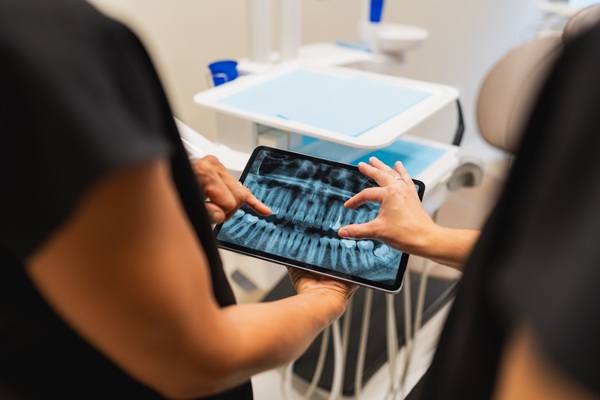
When advanced gum disease (periodontitis) creates deep spaces around the teeth, pocket reduction surgery can help make those areas easier to maintain. These periodontal pockets collect plaque, tartar, and bacteria below the gumline, where routine brushing and flossing cannot reach effectively. As pockets deepen, inflammation can damage the gum tissue and bone that support the teeth. Our periodontist can evaluate pocket depth, bone levels, and the disease itself to determine whether surgical care may support better long-term oral health outcomes.
How pocket reduction surgery supports gum health
During treatment, the periodontist moves gum tissue away from the tooth to reach bacteria and deposits beneath the gumline. They then clean the root surfaces, smooth damaged bone when necessary, and secure the gums to the teeth. Reducing these spaces limits areas where bacteria can collect and makes the gumline easier to maintain after healing. However, the exact approach depends on the location and severity of periodontal damage.
Helping protect the structures that support teeth
Periodontitis affects more than the visible gumline. Ongoing inflammation can damage the ligament and jawbone that help hold teeth in place, which may contribute to tooth mobility or tooth loss. Reducing deep pockets gives a periodontist better access to areas that nonsurgical cleaning may not fully reach. In turn, removing bacterial deposits and creating a more maintainable gumline can help control the progression of periodontitis. Preserving healthy gum and bone also supports the stability of natural teeth over time.
Creating a healthier-looking gumline
The health benefits of periodontal treatment come first, but healthier gum tissue can also improve the appearance of the smile. Active gum disease may cause redness, swelling, tenderness, and uneven tissue around the teeth. As inflammation comes under better control, the gumline may look firmer and less swollen. The procedure can reposition tissue while reducing periodontal pockets, which may create a cleaner-looking gumline.
Cosmetic results vary because the procedure primarily treats disease rather than serving as a cosmetic service. Even so, healthier gums often create a stronger frame for natural teeth.
Making daily oral hygiene more effective
Deep periodontal pockets create spaces where plaque and bacteria can continue to accumulate. Even careful brushing and flossing cannot consistently reach far below the gumline, which makes professional periodontal care important. After healing, shallower pockets generally provide better access for brushing, interdental cleaning, and professional maintenance. Patients still need consistent home care and scheduled periodontal visits to control plaque and watch for recurring inflammation. Bear in mind that surgery supports those habits rather than replacing them, making maintenance a central part of treatment success.
Supporting long-term periodontal stability
Periodontal disease requires ongoing management, even when treatment brings inflammation under control. The periodontist may recommend maintenance visits based on disease severity, risk factors, and response to care. These visits allow them to clean difficult areas and monitor pocket depths, gum condition, tooth mobility, and bone support. However, they will also consider how lifestyle factors are making an impact, such as tobacco use, diabetes, oral hygiene, and other factors, as they influence periodontal stability.
Understanding the oral-systemic connection
Researchers continue to examine connections between periodontal disease and overall health. A 2019 study published in the International Journal of Molecular Sciences found associations between periodontitis and conditions such as cardiovascular disease and diabetes, but these associations do not imply that gum disease directly causes them.
Still, treating periodontitis remains important because controlling oral inflammation and infection supports gum health and helps preserve tissues around the teeth. Pocket reduction surgery may form part of treatment when deep pockets remain difficult to manage with nonsurgical care alone. The periodontist can also consider medical conditions and medications that may influence treatment planning or healing.
When a periodontist may recommend treatment
Not every periodontal pocket requires surgery. The periodontist considers pocket depth, bone loss, gum condition, oral hygiene, risk factors, and response to nonsurgical care before recommending the next step. In minor cases, they may introduce scaling and root planing, while deeper or persistent pockets may require surgery. This is why an evaluation is important: to help determine which approach offers the right balance of disease control, tissue preservation, comfort, and long-term maintenance.
Schedule an evaluation
In the end, there is no getting around that healthy gums provide an important foundation for a beautiful, well–functioning smile. An evaluation can determine whether pocket reduction surgery is appropriate for the condition of the gums, bone, and teeth. Timely periodontal care can make difficult areas easier to maintain while supporting the tissues that help keep natural teeth stable. Contact our office for more information or to schedule a periodontal evaluation.
Request an appointment here: https://www.charlesdyeriv.com or call Charles E. Dyer IV, DDS, MS, PC at (281) 213-0900 for an appointment in our Cypress office.
Check out what others are saying about our dental services on Google: Pocket Reduction Surgery in Cypress, TX.
Related Posts
A periodontist can help you achieve your smile goals by performing a gum graft. Different patients have different dental needs. This provider is capable of recognizing and meeting them. Here are the details on when you should go to a periodontist for gum grafting.Research reveals that periodontal disease is the most rampant oral ailment in…
A periodontist can examine your gums and detect the main problem. Studies show that gum disease has distinct symptoms like redness and bleeding. This dental health professional can provide the right treatment after a thorough diagnosis. Here are three gum disease treatment options to consider straight from your periodontist.Advanced gum disease causes gum pockets to…
Oral surgery, regardless of the reason, can feel daunting. However, it can feel less stressful when a clear plan guides each step. Partnering with the periodontist before the appointment begins can foster comfort, safety, and a smooth healing process throughout.Understanding the basics reduces worry. Ask the periodontist what the procedure aims to fix, how long…
TMJ treatment can relieve jaw discomfort, improve function, and sometimes influence facial appearance when muscle tension or jaw positioning affects facial balance. Many patients notice changes around the jaw, cheeks, or lower face when temporomandibular joint problems become more severe. Understanding how treatment may affect appearance can help patients know what to expect during recovery.The…