Gum Grafting: A Solution for Gum Recession and Tooth Sensitivity
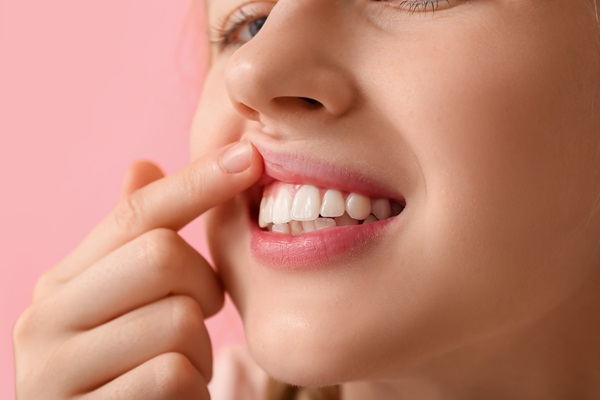
Gum grafting is a treatment option for gum recession and tooth sensitivity that restores the function of the mouth. However, many patients are unaware that it can help relieve their symptoms. Even if their periodontist has already discussed the possibility with them, they often feel uncertain about the invasiveness or recovery following the procedure.
In reality, gum grafting can be an effective option for people whose gums no longer cover the sensitive areas of their teeth, leading to sensitivity and an increased risk of decay. It is smart to understand how gum grafting works before undergoing the procedure.
Understanding gum grafting
A gum graft is typically conducted using tissue taken from elsewhere in the patient’s mouth. However, not everyone is a good candidate for this, and most people who have dedicated themselves to good oral health will not need gum grafting, anyway. Still, genetics and habits are also factors, which is why periodontists regularly perform this procedure in their offices, even on people who brush often.
Who needs gum grafting?
The candidates most suited for gum grafting are those whose gums have receded. The gums are meant to cover the sensitive tooth roots, whose surfaces are prone to decay. However, if they gradually thin over these areas, the roots can become exposed, leading to a discolored smile and sensitivity to cold, heat, and potentially, sugars.
Most gum recession is caused by poor oral hygiene, which leads to gum disease. However, genetics can also make certain patients prone to thin and vulnerable gum tissue that recedes naturally.
The gum grafting process
The process of gum grafting is simple, and most patients can go home right away after the treatment is complete. The periodontist will take soft tissue from elsewhere in the patient’s body, usually somewhere else in the mouth, such as healthy gum tissue on a different arch or from the roof of the mouth. Then, they will use stitches to attach this healthy tissue to the areas that need more gum support.
Once the graft is in place, patients will need to wait for it to fuse with the existing gums. The sutures may come out on their own, or the periodontist may remove them in a separate appointment.
Recovery after gum grafting
The first few days after a gum graft are the most sensitive, and patients should work hard not to disturb the area where the graft was placed. A soft food diet is essential during this time; soft scrambled eggs, ice cream, cottage cheese, smoothies, and soups (not too hot!) are all good choices. Most patients fully recover by the second week's end and return to their normal oral health habits. Hold off on hard or scratchy food (like crackers and popcorn) until about a month after the procedure, when the periodontist says that it is safe.
Patients must avoid brushing or flossing the area around the graft until their periodontist gives the all-clear. Otherwise, they could damage the vulnerable new tissue, resulting in a graft that is not as effective as intended. Remember, this new tissue needs to establish a bond and blood supply with existing gum tissue. Causing it stress and trauma will disrupt this process.
Is gum grafting permanent?
Once a gum graft is in place, it should function as normal living tissue indefinitely. However, if a person has existing circumstances, such as gum disease, that caused the recession in the first place, this issue will need to be addressed to prevent a reoccurrence. Otherwise, the gums may begin to recede again, and another gum graft may be necessary.
If a person does not address their oral health or if their genetics predispose them to significant gum recession, they may need another gum graft in the future. Still, a graft can last for decades under the right circumstances.
Treat gum recession and sensitivity with gum grafting
Gum recession can lead to uncomfortable oral symptoms like sensitivity to temperatures and certain foods. Patients may also feel self-conscious about the size of their teeth once the gums have receded. Our team can help you explore the possibilities of gum grafting and learn about what you can expect, from the grafting process itself to recovery afterward. Contact our office to schedule an appointment to discuss a gum graft and other potential treatments for your sensitivity and gum recession.
Request an appointment here: https://www.charlesdyeriv.com/ or call Charles E. Dyer IV, DDS, MS, PC at (281) 213-0900 for an appointment in our Cypress office.
Check out what others are saying about our services on Google: Gum Grafting in Cypress, TX.
Related Posts
Gums deterioration exposes the tissue that protects the teeth's roots. Receding gums may also occur around an improperly placed tooth. When the origins of the teeth become exposed due to receding gums, the teeth are more susceptible to decay, infection, and loss. People may halt or reverse the progression of gum recession if they seek…
Sedation dentistry can help patients feel calmer during periodontal treatments that protect the gums, teeth, and supporting bone. Gum care may involve longer appointments or work below the gumline, which can make anxious patients delay treatment. A periodontist can use sedation to reduce stress while completing necessary care safely and efficiently.Periodontal treatments address inflammation and…
Receding gums are usually a scary and painful condition. It helps to be aware of the symptoms of gum recession as well as how to avoid them. Various issues may cause gum recession, but individuals who smoke or use tobacco regularly are more prone to it. Continue reading to learn more about why this is…
Receding gums are more likely to affect people over 30, but aging does not necessarily cause it. Gum recession is often a symptom of gum disease, an infection of gum tissues caused by the bacteria inside plaque and tartar. These microorganisms build these substances, which house them, and the acids that they make.People over the…