Gum Recession Treatment Explained
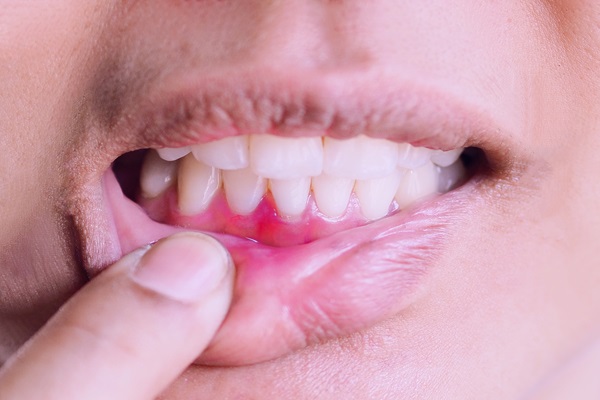
Considering gum recession treatment? Read on to learn more about this condition and its treatment. Gum recession, which is the gradual shrinking of your gum tissue, exposes the delicate root surfaces of your teeth, causing many problems. Without gum recession treatment, this situation can lead to more sensitive teeth, decay, and possibly tooth loss. The receding gum line may not cause immediate pain but is an indication to act before other problems set in.
The need for gum recession treatment
Gum recession often goes unnoticed until sensitivity or aesthetic changes necessitate a visit to the dental office. This condition, which thins the gum tissue and exposes the roots of the teeth, could seriously affect one’s dental health and smile. Gum recession treatment can help prevent future dental problems and improve the appearance of teeth.
Recognizing the causes of gum recession is important to prevent it from occurring. The following are some of the most typical culprits:
- Poor oral hygiene: Insufficient brushing and flossing may cause tartar and plaque to build up near the gum line. These bacterial deposits cause inflammation and a progressive recession of the gums.
- Aggressive brushing: Patients can damage their gums by brushing too hard. Use a soft-bristled brush and practice gentle, thorough cleaning.
- Gum disease: The first phase of gum disease, gingivitis, might result in periodontitis, a major infection that harms gum tissue and bone supporting the tooth. This may lead to serious issues like gum recession and tooth loss.
- Hormonal changes: Menopause and changes in pregnancy hormones can make gums susceptible to recession and inflammation.
- Genetics: Some individuals have weaker or thinner gums that may make them more prone to recession.
- Tobacco Use: Individuals have a greater risk of recession and gum disease if they smoke and chew tobacco.
What gum recession treatments are available?
The severity and the result of the dental professional’s evaluation are the deciding factors when it comes down to treatment options. The typical treatment choices include:
Scaling and root planing
The basic treatment for gum recession is scaling and deep cleaning or root planing. Scaling involves removing the plaque and tartar from the tooth surfaces and below the gum line. To rid the mouth of these substances (causing inflammation and recession), dental professionals use special instruments to lightly scrape the gums.
The roots of the teeth are smoothed after scaling with root planing. This allows the gums to reattach to the tooth surface and reduces the depth of the periodontal pockets that contain harmful bacteria. It also makes it harder for the plaque to stick to the roots of the tooth.
The progression of gum recession may be slowed or stopped entirely by this procedure. This treatment prevents further recession and restores gum health by addressing the underlying cause of periodontal disease.
The periodontist may recommend an antibacterial gel or mouthwash in addition to regular brushing and flossing. These targeted solutions can help reduce the risk of infection and irritation from gum disease, improve gum health, and reduce recession.
Surgical treatments
If non-surgical remedies are insufficient for moderate to serious gum recession, surgical intervention may be the only option. Gum grafting is often the first option. The method usually involves removing a small piece of tissue from the palate or another donor site. The dental professional will then attach the tissue over the areas where the gums have receded. The grafted tissue fuses with the current gum and improves regeneration along the gum line.
The Pinhole Surgical Technique (PST) is a minimally invasive procedure that can be an alternative to conventional gum grafting. It entails creating a tiny pinhole inside the receded gum area. The periodontist uses special tools to loosen the excess gum tissue and spread it out so the entire exposed root surface is covered. This method offers faster recovery times and less discomfort than conventional grafting.
Additional considerations
Maintaining good oral hygiene after a gum recession will prevent a recurrence. This includes brushing two times a day with a soft-bristled brush, flossing regularly, and attending scheduled dental cleanings. It is also important to stop smoking to maintain good gum health and to avoid future problems.
The early treatment and detection of gum recession can prevent its progression and the onset of serious oral health conditions. To avoid gum recession and get the best treatment, regular dental checkups are important.
In conclusion
The success of gum recession treatment is largely dependent on the quality of post-treatment care. Besides oral care, lifestyle adjustments such as quitting smoking and correcting misaligned teeth that cause uneven wear on the gums may also prevent recurrence. If you experiencing symptoms of gum recession, do not let the condition get worse. For information on your options and to help restore the health and appearance of your smile, contact our office today.
Request an appointment here: https://www.charlesdyeriv.com/ or call Charles E. Dyer IV, DDS, MS, PC at (281) 213-0900 for an appointment in our Cypress office.
Check out what others are saying about our services on Google: Gum Recession Treatment in Cypress, TX.
Related Posts
A deep periodontal cleaning provides a vital defense for the mouth when standard brushing and flossing routines fall short of managing hidden bacterial buildup. Maintaining healthy gums remains just as critical as protecting the enamel from cavities, as the soft tissues provide the necessary support for the entire smile. Therefore, recognizing the subtle shifts in…
Are you concerned about receding gums? Read on to learn about the most common causes for this condition. It is important to understand the common causes of receding gums as they are the most notable risk factors of periodontal disease that leads to gum recession. By understanding these risks, you can take the necessary preventive…
Bleeding gum treatment gives patients a way to address gum inflammation before it causes larger problems for the smile, from everyday comfort to how the smile looks. Bleeding during brushing or flossing may seem easy to ignore at first, but healthy gums should not bleed regularly. A periodontist can identify the reason the gums are…
Receding gums are defined as the loss of gum tissue or retraction of the gingival border from the tooth, exposing the tooth's roots. Gum recession is prevalent among adults, although symptoms may appear as early as adolescence. It is essential to pay attention to the signs to get treatment and begin your journey towards recovery.The…