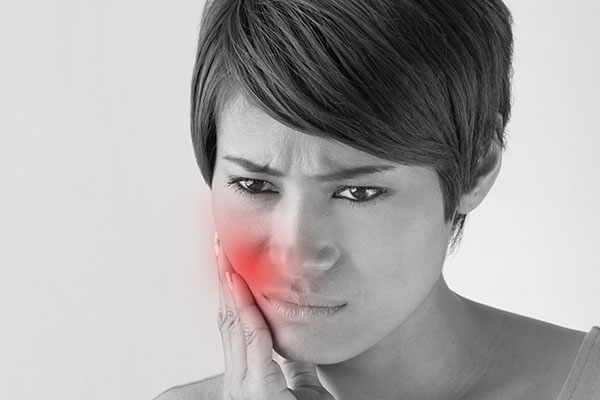
 Gum disease attacks the healthy gum and bone structure in the mouth and in extreme cases can cause the teeth to fall out. Bleeding gums are an early warning sign of the infection, but unfortunately, many smokers, vapers, and tobacco chewers miss it. Because of this and other factors, smoking is a leading cause of gum disease in patients in the United States.
The link between tobacco and gum disease
Smoking does not so much cause gum disease as it exacerbates it. Gum disease is the result of plaque buildup in between and around the teeth. Plaque, if allowed to sit along the gumline, can irritate the tissue and cause it to become swollen and red. In many cases, bleeding gums soon follow. There are three ways that smoking can worsen this condition.
1. Immune system issues
Smokers have impaired immune systems. In a non-smoker, the immune system is likely to recognize the infection and take immediate action to combat it. In smokers, however, the body may be slow to respond to the infection and struggle to fight it. This raises smokers’ risk of developing more severe forms of gum disease, such as periodontitis, and in turn increasing the risks of tooth loss.
2. Lack of bleeding
Smoking can also hide or prevent the early warning signs of gum disease. Bleeding gums are one of the most common early symptoms of gingivitis. Unfortunately, because nicotine restricts blood flow, many smokers never experience this sign.
3. Gum discoloration
Gums developing gingivitis often turn from pink to red in the early stages. However, it is not uncommon for smokers to have gums that are grey or discolored, so the color change goes unnoticed.
The difficulties of treating gum disease in smokers
Once infected, gum disease is difficult to treat in smokers for several reasons. For starters, because tobacco use masks many of the early warning signs of gingivitis, the disease is often in its more advanced stages by the time it is recognized in a smoker. Advanced forms of gum disease require more extensive and ongoing treatment to cure than simple gingivitis.
As well, smoking inhibits the body’s ability to fight infection. Smokers do not respond as well to gum disease treatments as non-smokers. For many smokers, treatment causes dry sockets during the healing phase, which can be very painful. Smokers also tend to experience increased pain following gum surgery and lower dental implant success rates.
Quitting tobacco use
The primary recommendation for smokers to follow for their oral health and overall health is to quit smoking. Smokers who develop gum disease and bleeding gums and who subsequently quit typically have better outcomes than smokers who continue to use tobacco during treatment. Tobacco users who quit before developing gum disease may be able to prevent it entirely.
Conclusion
Tobacco use in all forms can have severe adverse impacts on a person’s dental and overall health. If you smoke, talk to a local dentist about ways to avoid gum disease and other oral issues.
Request an appointment or call Charles E. Dyer IV, DDS, MS, PC at 281-213-0900 for an appointment in our Cypress office.
Related Posts
Receding gums is a condition that leads to gum tissues pulling back from teeth roots. It leaves these roots exposed to acids made by oral bacteria that cause decay. Unlike the crown of a tooth, which is protected by enamel, teeth roots have an outer layer called cementum that is not as durable as enamel.…
One essential step a person can take to prevent receding gums is to maintain excellent dental hygiene. Most individuals often neglect their gums and focus on dazzling, pearly white teeth when it comes to oral health. However, having healthy gums is just as important as having healthy teeth.Gum recession has the potential to cause tooth…
Receding gums leads to gum tissues pulling back from teeth roots, making your teeth appear abnormally large. Teeth roots are protected from acids made by oral bacteria by the gum tissues that cover them, so gum recession leaves them vulnerable to these acids, increasing their risk of decay.Receding gums can be caused by several things,…