How Professional Bleeding Gum Treatment Benefits Your Smile
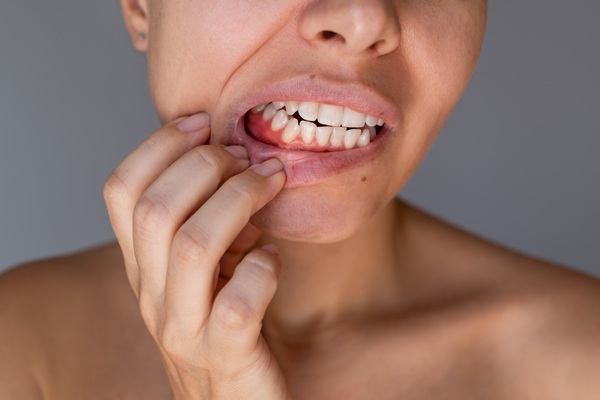
Bleeding gum treatment gives patients a way to address gum inflammation before it causes larger problems for the smile, from everyday comfort to how the smile looks. Bleeding during brushing or flossing may seem easy to ignore at first, but healthy gums should not bleed regularly. A periodontist can identify the reason the gums are bleeding, determine how far the problem has progressed, and recommend care to help create a healthier, more stable smile.
Why are my gums bleeding?
It is normal for gums to bleed when one starts flossing again or becomes more diligent with brushing. However, if they continue bleeding after being consistent with these habits for about a week, it could signal a problem. For example, bleeding gums are a common sign of gum disease.
Gum disease often begins when plaque collects along the gumline and irritates the surrounding tissue. This sticky film contains bacteria, and when it remains on the teeth too long, it can harden into tartar that cannot be removed with brushing and flossing. As the gums become inflamed, they may look red or swollen, feel tender, and bleed more easily. Fortunately, a periodontist can help address these issues through tailored treatments.
When to consider treatment from a periodontist
Most often, patients are referred to a periodontist by their general dentist. The dentist may make this recommendation when a regular dental cleaning is not enough to resolve bleeding gums. Periodontists have specialized training in treating all stages of gum disease and can thus help even with more advanced cases.
Some common reasons for referral include when the gums bleed often, and:
- Feel swollen or look darker than usual
- Stay tender for a long time after brushing or flossing
- Are accompanied by chronic bad breath or sensitive teeth
- Show signs of recession (when the gums pull back from the roots of the teeth)
- Can no longer support the teeth, leading to loose teeth
A patient can also seek out bleeding gum treatment on their own. This is known as self-referral and is a great option for those who want to be more proactive about their gum health.
Bleeding gum treatments and their benefits
There are many treatments for bleeding gums, but they all work toward the same goal of maintaining smile health. They also have the added benefit of creating a more aesthetically pleasing smile as the gums return to a healthy pink color. A periodontist will tailor treatment to the patient’s current gum health rather than using the same approach for every case. Explore common options below.
Scaling and root planing
Scaling and root planing is perhaps the most common bleeding gum treatment. During this deep cleaning, the periodontist removes plaque and tartar from beneath the gumline, where regular brushing and flossing cannot reach. The root surfaces are then smoothed so that bacteria have fewer rough areas to cling to as the gums begin to heal. This gives the gum tissue a cleaner surface to reattach to and may help reduce bleeding, swelling, and tenderness over time. A cleaner smile can look brighter, as well.
Antibiotics
Antibiotics may help when bacteria remain active in deeper gum pockets or when inflammation needs added support after cleaning. A periodontist may use an antimicrobial rinse, a localized antibiotic placed near the affected area, or another medication-based option, depending on the case. The goal is to lower harmful bacteria so the gums have a better chance of stabilizing after treatment.
Pocket reduction surgery
Pocket reduction surgery is recommended when the spaces between the gums and teeth (gum pockets) remain too deep after nonsurgical treatment. Deep pockets create hard-to-clean spaces where bacteria can collect again, even when patients brush and floss carefully.
During this procedure, the periodontist gains better access to the tooth roots to remove buildup, then reshapes or repositions the gum tissue so the area becomes easier to maintain after healing. This approach can help reduce the spaces where harmful bacteria hide and continue irritating the gums. Many patients also notice that their gums frame the smile better once healed.
Gum grafts
A periodontist may recommend a gum graft when the gums have pulled away from the teeth. This condition, known as recession, can expose the tooth roots, leading to sensitivity and an increased risk of root decay. Aesthetically, gum recession can create the look of black triangles between the teeth.
With a gum graft, a periodontist adds tissue to areas that need more coverage or support, helping protect vulnerable roots and improve the gumline. It can be helpful when gum recession affects comfort or the long-term stability of the teeth. This treatment also helps close black triangles, resulting in a more aesthetically pleasing smile.
Experience the benefits of bleeding gum treatment
Bleeding gum treatment can make for a more comfortable, more beautiful smile. A periodontist can identify why the gums are bleeding, then recommend the right treatment to help protect the smile from future damage. Get to the bottom of your gum problem during an appointment with our Cypress team.
Request an appointment here: https://www.charlesdyeriv.com or call Charles E. Dyer IV, DDS, MS, PC at (281) 213-0900 for an appointment in our Cypress office.
Check out what others are saying about our services on Google: Bleeding Gum Treatment in Cypress, TX.
Related Posts
Receding gums can be a symptom of gingivitis, the first stage of gum disease. It can also be caused by other factors, like a genetic predisposition to developing gum recession or bad brushing techniques.Gingivitis occurs when plaque and tartar make their way below gum tissues. The bacteria inside them infect gum tissues, leading to an…
Bone grafting is a surgical procedure that involves rebuilding or repairing damaged or diseased bones. Bone grafts have many uses, but they are primarily used in dentistry to prepare patients for implant placement or to repair tissues damaged by periodontal disease or other dental issues.The healing process often starts the moment bone tissues are damaged.…
Receding gums are often blamed on brushing techniques. Surprisingly, most individuals with receding gums are unaware that they have a dental problem that must be addressed. On the other hand, others have been aware because the roots of their teeth have become exposed or they have had dental sensitivity.Gum recession occurs when the gum tissue…
Gingivectomy treatment helps reshape or remove excess gum tissue, and proper aftercare can support comfort during the healing process. This periodontal procedure may help improve oral health, create better access for cleaning, or enhance the appearance of the gumline. Mild soreness, swelling, and tenderness are common after treatment, but patients can manage discomfort with the…