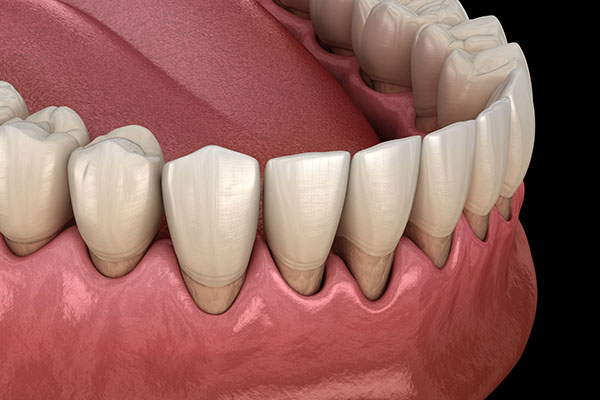
 Many people think it is a normal part of an oral care routine, but dentists warn that bleeding gums are a sign something is wrong. When you brush and floss your teeth, sometimes you may see a little blood coming from your gums. In most cases, bleeding gums are a sign that you may have gum disease. Untreated gum disease can lead to gingivitis and periodontitis. These conditions can affect the whole body if you do not seek out dental care.
Bleeding gums and gingivitis
Bleeding gums are the most common symptom of gingivitis. Leaving plaque along the gumline for too long can cause inflammation. Eventually, the plaque hardens into tartar, which is more difficult to remove. Both plaque and tartar can increase gum bleeding.
A gingivitis diagnosis surprises many people. Most people believe they are brushing their teeth well and have good oral care. While the toothbrush bristles may be too hard, bleeding gums are likely a symptom of gum disease. If people do not address it in the early stages, the condition can develop into a more serious periodontal disease.
The progression of periodontal disease
In periodontal disease, the gums bleed because of inflammation. The inflammation in the gums can affect other systems in the body. Doctors have linked inflammation from periodontal disease to conditions like diabetes and heart disease. Bleeding gums are an early warning sign that something is going on in the mouth.
Bleeding gums and heart disease
Even mild gingivitis and bleeding gums can cause problems later on. It is not clear why gum disease correlates with heart disease later in life, but the connection is strong. Untreated gum disease can increase a person’s chances of suffering a heart attack or stroke. Getting gum disease under control at the first signs is crucial to good health in the long term.
An increased chance of stroke or heart disease is not the only potential outcome of periodontal disease. As the disease progresses, patients go from experiencing bleeding and puffy gums to more serious issues. The gums can become very sore and visibly protrude around teeth. Teeth can loosen and eventually fall out.
Gum disease and diabetes
Patients who were not diabetic but have untreated gum disease are more at risk for developing diabetes. On the flip side, people who have diabetes are more likely to develop gum disease. Uncontrolled blood sugar contributes to the development of gum disease. Diabetic patients must be vigilant with their oral care to ward off periodontal disease.
Treating bleeding gums for health
At the first sign of bleeding gums, you should check their oral care habits. Flossing is a key element that many people skip. But it can help you to remove the food particles that cause bacteria to grow and plaque to form. Regular visits to the dentist can also help you to remove stubborn plaque along the gumline. The dentist can help you develop a long-term plan of care for prevention.
Request an appointment or call Charles E. Dyer IV, DDS, MS, PC at 281-213-0900 for an appointment in our Cypress office.
Related Posts
Gums deterioration exposes the tissue that protects the teeth's roots. Receding gums may also occur around an improperly placed tooth. When the origins of the teeth become exposed due to receding gums, the teeth are more susceptible to decay, infection, and loss. People may halt or reverse the progression of gum recession if they seek…
Receding gums are usually a scary and painful condition. It helps to be aware of the symptoms of gum recession as well as how to avoid them. Various issues may cause gum recession, but individuals who smoke or use tobacco regularly are more prone to it. Continue reading to learn more about why this is…
Receding gums are more likely to affect people over 30, but aging does not necessarily cause it. Gum recession is often a symptom of gum disease, an infection of gum tissues caused by the bacteria inside plaque and tartar. These microorganisms build these substances, which house them, and the acids that they make.People over the…