Follow-Up Care for Dental Crown Lengthening
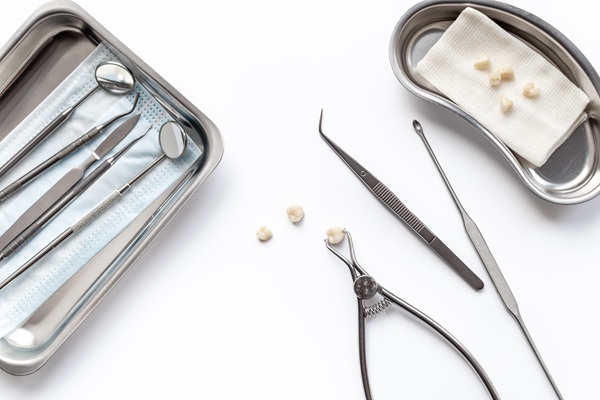
Dental crown lengthening is a procedure that periodontists use to expose more of a tooth's surface. They typically use this in preparation for a dental crown or to address gum issues. After undergoing a crown lengthening procedure, you will need to follow a proper aftercare regimen to ensure optimal healing and improve your overall treatment outcome.
Immediate aftercare
The first 24 to 48 hours after a dental crown lengthening procedure are critical for proper healing. During this time, the patient should follow their periodontist's instructions as closely as possible to reduce the risk of infection and excessive bleeding. They will also need to rest and avoid strenuous physical activity to promote healing.
Bleeding is normal immediately after dental crown lengthening. However, it should be minor and controlled. Applying gauze and light pressure can help manage bleeding. The periodontist may recommend using a cold compress to reduce swelling. Additionally, avoid consuming hot foods and drinks, as they can irritate the surgical site.
Pain management and medication
Pain and discomfort are common after dental crown lengthening. The periodontist may prescribe pain medication but will likely recommend over-the-counter pain relievers. Patients should take these medications as directed to reduce discomfort. Anti-inflammatory medications may also be recommended to reduce swelling.
Additionally, the periodontist may recommend antibiotics to prevent infection, particularly if the patient is at higher risk due to other underlying health conditions. The patient will need to complete the prescribed course of their antibiotic treatment, even if there are no visible signs of infection. In the case of unexpected or prolonged pain, it is important to contact the periodontist as soon as possible for further guidance.
Oral hygiene
Maintaining good oral hygiene is essential after dental crown lengthening. However, the patient must take special care around the surgical site. The periodontist will typically advise patients to avoid brushing directly over the area for several days to prevent irritating the surgical site. Instead, they should gently rinse with an antimicrobial mouthwash or a saltwater solution, which is often recommended to keep the area clean and reduce the risk of postoperative infection.
Brushing and flossing the rest of the mouth should continue as usual with extra caution. It is important not to disturb the surgical area while cleaning the surrounding teeth and gum tissue. Depending on the extent of the procedure, the periodontist may also provide special instructions on using a specific toothbrush or oral rinse.
Dietary adjustments
In the first few days following the procedure, patients should stick to soft foods to avoid placing strain on the treated area. Foods like yogurts, mashed potatoes, and smoothies can provide necessary nutrition without irritating the gums.
Additionally, it is advisable to avoid hard, crunchy, or sticky foods that could disrupt the healing tissue or damage stitches (if applicable). Patients should avoid spicy or acidic foods that could cause discomfort or inflammation at the surgical site. As they heal, the patient will gradually be able to reintroduce foods based on the periodontist's recommendations.
Managing swelling and bruising
Swelling and bruising are common after dental crown lengthening and may last several days. The use of ice packs on the affected area can help reduce swelling, especially in the first 24 hours. Apply the ice pack for 15 to 20 minutes, with breaks in between. Wrap the ice pack in a towel to avoid irritating the skin.
Elevating the head while resting or sleeping can also help minimize swelling. If swelling persists or worsens after the first few days, it is important to consult the periodontist to rule out the possibility of infection or other complications.
Follow-up appointments
Follow-up appointments with the periodontist are a crucial part of aftercare. During these appointments, the periodontist will check the healing process, remove stitches if necessary, and address patient concerns or complications. Regular follow-ups help ensure that the gums are healing properly and that the results of the dental crown lengthening are as intended.
In some cases, the periodontist may adjust the patient's oral care routines or medications. Ongoing monitoring can prevent complications and ensure the long-term success of the procedure. Additionally, if the dental crown lengthening was part of a larger treatment plan, such as dental crowns or bridges, the periodontist will provide guidance on when the patient can proceed with the next phase of treatment.
Call our office to schedule a follow-up treatment
Proper follow-up care after dental crown lengthening is essential for a smooth recovery and optimal long-term results/ Each step of the aftercare process can increase your treatment outcome. Call our office to learn more or to schedule your next follow-up appointment.
Request an appointment here: https://www.charlesdyeriv.com/ or call Charles E. Dyer IV, DDS, MS, PC at (281) 213-0900 for an appointment in our Cypress office.
Check out what others are saying about our services on Google: Dental Crown Lengthening in Cypress, TX.
Related Posts
Receding gums can be a sign that you have gum disease. It can also be a sign of poor brushing habits or using a toothbrush that is too hard. receding gums leave teeth roots exposed to acids made by oral bacteria, increasing their risk of decay.Teeth roots do not have an outer layer of enamel…
Receding gums is a condition that leads to gum tissues pulling back from teeth roots. It leaves these roots exposed to acids made by oral bacteria that cause decay. Unlike the crown of a tooth, which is protected by enamel, teeth roots have an outer layer called cementum that is not as durable as enamel.…
When advanced gum disease (periodontitis) creates deep spaces around the teeth, pocket reduction surgery can help make those areas easier to maintain. These periodontal pockets collect plaque, tartar, and bacteria below the gumline, where routine brushing and flossing cannot reach effectively. As pockets deepen, inflammation can damage the gum tissue and bone that support the…
Dental crown lengthening is a periodontal procedure that reshapes gum tissue and, when necessary, the underlying bone to expose more of a tooth's surface. A periodontist may recommend this treatment before restorative care or to improve the appearance of an uneven or overly prominent gumline. Understanding each stage of the process can help patients know…