Caring for Your Dental Implants: Tips for Maintaining Oral Health
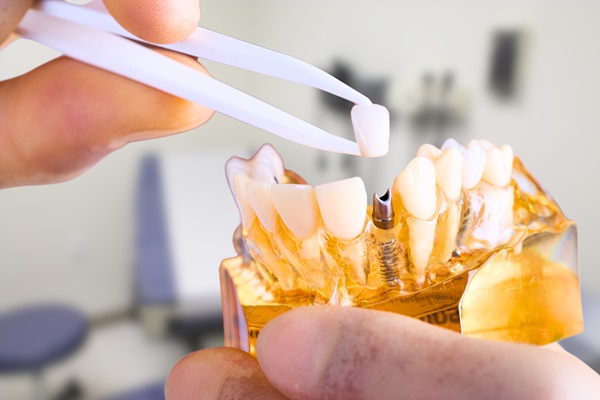
Considering dental implants? Read on to learn more. Dental implants are a low-maintenance restoration since they do not require special treatment. Besides giving patients lifelong access to strong, healthy teeth, dental implants also have a natural appearance and feel. You need to adhere to the periodontist’s guidelines to increase the durability of dental implants.
How to maintain your dental implants
Patients must practice proper oral hygiene if they want their dental implants to last as long as possible and be healthy. To keep the mouth healthy, it is important to floss often, brush the teeth twice a day, and use mouthwash. Patients should use toothbrushes with soft bristles and implant-safe toothpaste while brushing their teeth.
Rinsing the mouth with water between meals will help keep the dental implants healthy. It eliminates the possibility of infection of the implant due to food particles and microorganisms. Patients can maintain oral health after getting dental implants by using an antiseptic mouthwash. The only step is to swish the mouthwash over the teeth and implant region for around 30 seconds, making sure to cover everything. After using the mouthwash, rinse the mouth with water to remove any remaining residue.
Besides proper oral hygiene, some of the other ways to maintain implant health include:
Go for regular dental checkups
To keep the teeth in optimal condition and the dental implants in great shape, dental professionals recommend visiting the dental office for checkups and cleanings regularly. After a thorough cleaning and polishing to remove any tartar or plaque buildup, the periodontist will inspect the implants to ensure they are in good condition.
Avoid certain habits
Dental implants are not invincible. Certain practices can endanger the condition of the dental crown on top of the implant. To keep the crown and implant in good condition, avoid biting down on ice or hard objects.
Smoking might affect the recovery of dental implants, in addition to compromising the body's normal healing process. Patients should refrain from smoking for at least a week before and throughout their dental implant procedure. For the best results in the long run, it is better to stop using tobacco products altogether.
Watch your diet
One of the several benefits of dental implants is that they do not require major changes to one’s diet or drinking habits, so patients may eat and drink everything they like. Yet, it is a good idea to watch the consumption of coffee and red wine, which are staining, as well as raw veggies and other hard foods. Sticky candies like gum and taffy are also not advisable.
Be mindful of the signs of implant issues
Being on high alert is important to guard against implant failure. Patients need to know the warning signals that an implant is starting to fail so that they can take appropriate action without delay. It is often possible to save implants by prompt action. An appointment with the periodontist is critical after noticing any swelling, pain, or movement in the implants.
Implant issues can still occur despite proper maintenance. Some of the issues to note include:
- Peri-implantitis: This condition is a form of gum disease and causes inflammation and bone loss around the implant. Patients may experience symptoms like bleeding, swelling, or redness around the implant site. The severity of the condition will determine whether the periodontist recommends antibiotics, deep cleaning, or surgical treatments.
- Loose implant: Loose abutment screws or implant malfunction might be the reason the implant feels unstable or not firmly in place. To determine the best course of treatment, patients must contact the periodontist without delay.
- Damaged restoration: The implant crown or bridge may become loose, break, or even fall out over time. This condition can also develop as a result of physical damage or age. The severity of the damage will determine whether the periodontist suggests repairing it or replacing it.
- Gum recession: When the gums recede from the implant, a condition known as recession, the implant becomes vulnerable to infection and eventually fails. To fix a receding gum line and stop more damage, the periodontist may recommend gum grafting.
Final note
Patients need to consult their periodontist right away if their implants are giving them trouble. This will increase the likelihood that your implants will last as long as feasible and in optimal condition. Early detection of dental problems is possible with regular checkups and follow-up appointments. Due to their long-term advantages, dental implants are a great option for those experiencing tooth loss. If you would like more information on dental implants, contact our office for an appointment.
Request an appointment here: https://www.charlesdyeriv.com/ or call Charles E. Dyer IV, DDS, MS, PC at (281) 213-0900 for an appointment in our Cypress office.
Check out what others are saying about our dental services on Google: Dental Implants in Cypress, TX.
Related Posts
Receding gums leads to gum tissues pulling back from teeth roots, making your teeth appear abnormally large. Teeth roots are protected from acids made by oral bacteria by the gum tissues that cover them, so gum recession leaves them vulnerable to these acids, increasing their risk of decay.Receding gums can be caused by several things,…
Gums deterioration exposes the tissue that protects the teeth's roots. Receding gums may also occur around an improperly placed tooth. When the origins of the teeth become exposed due to receding gums, the teeth are more susceptible to decay, infection, and loss. People may halt or reverse the progression of gum recession if they seek…
Sedation dentistry can help patients feel calmer during periodontal treatments that protect the gums, teeth, and supporting bone. Gum care may involve longer appointments or work below the gumline, which can make anxious patients delay treatment. A periodontist can use sedation to reduce stress while completing necessary care safely and efficiently.Periodontal treatments address inflammation and…
Receding gums are usually a scary and painful condition. It helps to be aware of the symptoms of gum recession as well as how to avoid them. Various issues may cause gum recession, but individuals who smoke or use tobacco regularly are more prone to it. Continue reading to learn more about why this is…