What Is a Periodontal Cleaning?
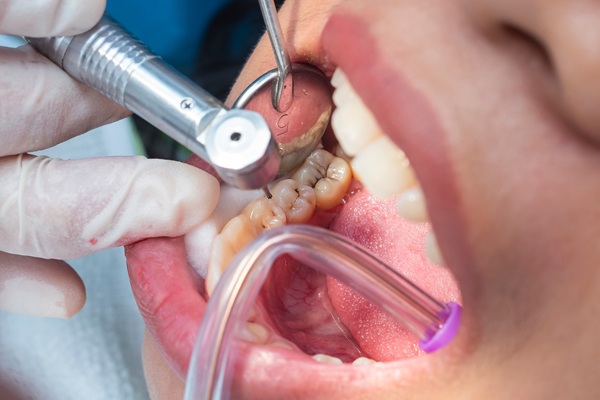
A periodontal cleaning helps treat gum disease and restore oral health. This treatment goes beyond the scope of a standard dental cleaning, targeting plaque, tartar, and bacteria below the gums. Since periodontists specialize in gum health, they can perform a periodontal cleaning quickly and comfortably for the patient. Learning what this procedure involves can help patients recognize its value in maintaining a healthy smile.
Periodontal cleanings: Treating gum disease
Through periodontal cleanings, a periodontist can address gum disease by removing the harmful buildup of plaque and tartar that accumulates beneath the gum line. This buildup, if left untreated, can cause inflammation, infection, and eventually lead to tooth and bone loss. By cleaning these deeper areas, the gums have a chance to heal and reattach to the teeth. Thus, a periodontal cleaning can both restore stability to the teeth and stop the progression of gum disease.
Periodontal cleanings are an essential intervention once gum disease has advanced beyond the early, reversible stages (gingivitis). Moreover, early treatment can prevent the need for more complex surgical procedures. A periodontist has the advanced training needed to diagnose the severity of gum disease and provide the appropriate level of care — whether that is a periodontal cleaning or something else.
How is a periodontal cleaning different from a regular cleaning?
A periodontal cleaning is a treatment for gum disease, while a regular teeth cleaning is a preventive measure. The goal of a periodontal cleaning is to remove bacteria and hardened deposits from the tooth roots and periodontal pockets, which form when gums pull away from the teeth due to disease. On the other hand, teeth cleanings target plaque and tartar buildup above the gum line to prevent gum disease and tooth decay.
The tools and techniques used in these procedures also differ. A periodontist will perform a periodontal cleaning with ultrasonic scalers and other specialized instruments that reach below the gums, sometimes paired with local anesthesia to ensure comfort. Because gum disease is an active infection, periodontal cleanings may require multiple visits to complete the treatment, whereas a standard cleaning is usually finished in a single appointment. Teeth cleanings are performed with manual tools or an ultrasonic scaler — no local anesthesia — and only take one appointment to complete.
What happens during a periodontal cleaning?
A periodontal cleaning typically begins with a thorough examination and periodontal charting to measure pocket depth and assess gum health. The periodontist or dental hygienist will typically apply a local anesthetic to numb the area for patient comfort. Using advanced scaling instruments, they chip away at plaque and tartar from below the gum line and around the tooth roots. The mission is to eliminate bacterial colonies and reduce gum inflammation.
Periodontal cleanings also often include root planing, a technique that smooths the surfaces of the tooth roots. This makes it more difficult for bacteria to adhere to the teeth and allows the gums to heal and reattach. In some cases, antimicrobial rinses or localized antibiotic treatments may be applied to further control infection and support healing.
Additional care considerations
The duration and complexity of a periodontal cleaning depend on the severity of the gum disease and the amount of buildup present below the gums. It is common for patients with advanced cases to need multiple appointments for a thorough cleaning without overwhelming the gums. The periodontist will create a customized treatment plan, which might include follow-up maintenance visits every few months to prevent reinfection.
Good oral hygiene at home is also key to the success of periodontal cleanings. Brushing twice daily, using interdental cleaners, and following professional recommendations can help maintain treatment results and healthy gums.
After a periodontal cleaning
Mild soreness or gum tenderness is common after a periodontal cleaning, especially if a lot of tartar was removed. However, most people can return to work immediately after the procedure. Those with extensive treatment may prefer to take the day off work or schedule the cleaning at the end of the day.
It is normal for the gums to appear slightly swollen or bleed lightly for a day or two, but these symptoms typically go away once they start to heal. Patients may be advised to avoid certain foods, such as those that are hard, crunchy, or spicy, until any sensitivity goes away. The periodontist will likely prescribe an antimicrobial rinse to support recovery. With consistent follow-up visits and proper home care, the gums can regain health and strength.
Get care from a periodontist
A periodontal cleaning can effectively treat gum disease and prevent further damage to the smile. To learn more about it, contact our team at Charles E. Dyer IV, DDS, MS, PC. We help patients in Cypress and the surrounding communities enjoy healthier gums for years to come.
Request an appointment here: https://www.charlesdyeriv.com/ or call Charles E. Dyer IV, DDS, MS, PC at (281) 213-0900 for an appointment in our Cypress office.
Check out what others are saying about our dental services on Google: Periodontal Cleaning in Cypress, TX.
Related Posts
Gums deterioration exposes the tissue that protects the teeth's roots. Receding gums may also occur around an improperly placed tooth. When the origins of the teeth become exposed due to receding gums, the teeth are more susceptible to decay, infection, and loss. People may halt or reverse the progression of gum recession if they seek…
Sedation dentistry can help patients feel calmer during periodontal treatments that protect the gums, teeth, and supporting bone. Gum care may involve longer appointments or work below the gumline, which can make anxious patients delay treatment. A periodontist can use sedation to reduce stress while completing necessary care safely and efficiently.Periodontal treatments address inflammation and…
Receding gums are usually a scary and painful condition. It helps to be aware of the symptoms of gum recession as well as how to avoid them. Various issues may cause gum recession, but individuals who smoke or use tobacco regularly are more prone to it. Continue reading to learn more about why this is…
Receding gums are more likely to affect people over 30, but aging does not necessarily cause it. Gum recession is often a symptom of gum disease, an infection of gum tissues caused by the bacteria inside plaque and tartar. These microorganisms build these substances, which house them, and the acids that they make.People over the…