Gum Grafting From a Periodontist
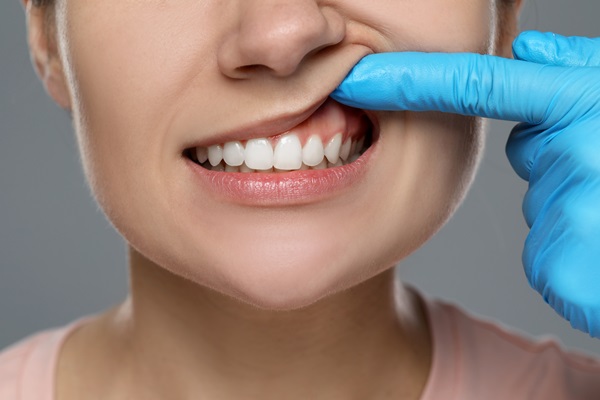
Gum grafting can treat gum recession. The periodontist will assess the condition of your gums first. If you need more healthy gum tissue, then this procedure can reset your oral health. Here are the details about gum grafting that your periodontist can share with you.
The basics of gum grafting
Gum recession is a condition in which the gums pull away from the teeth. The tooth roots lose proper protection from the elements because of this condition. This condition increases one’s risk of jawbone loss, cavities, and sensitivity. It can also lengthen the teeth.
A periodontist will perform gum grafting to correct this issue. This type of oral surgery is capable of bringing back the patient’s healthy smile. The length of the teeth will return to normal. One’s dental roots will have proper tissue covering again.
The periodontist will determine which teeth need gum grafting. Harvesting healthy gum tissue will come next. The dentist will then attach the healthy tissue over the areas that need it. After healing, the symptoms of gum recession will go away. The patient will then regain good oral health.
Before gum grafting
A general dentist will refer the patient to a periodontist for a gum grafting procedure. The referral will allow the periodontist to check the patient’s oral health during the consultation. Measuring the gum pockets will follow. The periodontist may want to keep an eye on the recession or begin the process of gum grafting. Discussing the treatment and sedation options will follow.
During gum grafting
Advancements in dental technology have given birth to many materials and techniques for this procedure. The traditional way is to numb the area first. Preparing the area will follow once the sedation takes effect. The periodontist will cut into the gums and create a small flap. Cleaning the dental root will follow.
The periodontist will then take healthy gum tissue from the roof of the mouth. Removing a small portion of inner gum tissue will follow. The dentist will close the harvest site through stitches and periodontal dressing. For some patients, the new gum tissue will be in the form of a substitute grafting material. This is available at a licensed tissue and bone bank.
Transferring the healthy tissue over the areas that need it will come next. Gum grafting will cover the exposed dental roots. The periodontist will stitch the tissue in place. Using dissolving sutures will let the site stabilize and heal better. This treatment will take about an hour for one small area. It will take longer if the patient needs treatment for many gum sections.
After gum grafting
The periodontist will apply dressing and gauze to the treated area. Removing the gauze is possible after 30 minutes. The periodontal dressing can fall off by itself during the first three days after the procedure. However, the patient can choose to go back so that the periodontist can remove it.
Keeping an eye on the patient will be necessary after the gum grafting procedure. Since the effects of the sedative will last for hours, someone has to drive the patient home. The periodontist will provide a hard copy of the aftercare instructions. Following them will lower one’s risk of infection and pain.
The timeline for gum grafting recovery
It is important to keep an eye on the patient’s recovery a week after the procedure. There will be follow-up visits with the surgeon during the recovery period. The periodontist will release the patient back to the general dentist when the time is right. This will continue the patient’s care. Here is the recovery timeline for gum grafting:
- During the first day, there will be some pain, bleeding, and swelling. The patient can take medications to manage the post-surgical effects. Complete rest is necessary as well. Cool and soft foods are ideal for recovering gums. Refrain from flossing or brushing the area of the graft. An antibacterial mouthwash will be enough to clean the area.
- Bleeding should stop within a day or two. Swelling will persist for about three to four days. Bruising may also be an issue. These are normal side effects that will subside within one week. The patient must continue taking medications. Brushing and flossing will start once the surgeon says it is healthy to do so.
- By the second week, bruising and swelling will start to fade. The patient’s comfort will improve. Eating more solid foods is allowable by this time. But stay away from spicy and hard foods until the surgeon says it is okay. The same applies to brushing and flossing.
Gum grafting in the hands of your periodontist can improve your oral health
Your gums provide your teeth with support and protection. Gum recession causes gum tissue to pull away from your teeth. Correcting this can bring back the protective cover of your dental roots. With the help of your periodontist, gum grafting can restore your smile and your dental health.
Request an appointment here: https://www.charlesdyeriv.com or call Charles E. Dyer IV, DDS, MS, PC at (281) 213-0900 for an appointment in our Cypress office.
Check out what others are saying about our dental services on Yelp: Gum Grafting in Cypress, TX.
Related Posts
Food and drink have a lot to do with oral health, but certain medications can also have an impact. While bleeding gums are often associated with signs of plaque buildup along the gum line, it is possible for those who take blood thinners to be more susceptible to this condition as well.Blood thinners are used…
Wisdom teeth extraction is not automatically indicated for every patient's treatment plan, even though third molars often cause significant concern. Some individuals have sufficient space for these teeth to erupt and function without issue, while others develop impaction, an increased risk of infection, or localized periodontal problems that make removal the healthiest long-term option. However,…
Understanding what causes bleeding gums is vital for preventing this common condition and promoting proper oral hygiene. Dentists can make recommendations to help patients maintain healthy gums and avoid widespread health and oral complications.People frequently dismiss gum bleeding as a normal consequence of overly aggressive brushing or flossing. Using a toothbrush with stiff bristles might…
Gum grafting is an important part of periodontal care, restoring receding gums and protecting long-term oral health. As gum recession progresses, teeth lose vital support and become more vulnerable to sensitivity, decay, and structural damage. A dental professional evaluates gum health, bone levels, and contributing factors to determine when grafting supports stability. Early intervention often…