Common Causes of Gum Disease
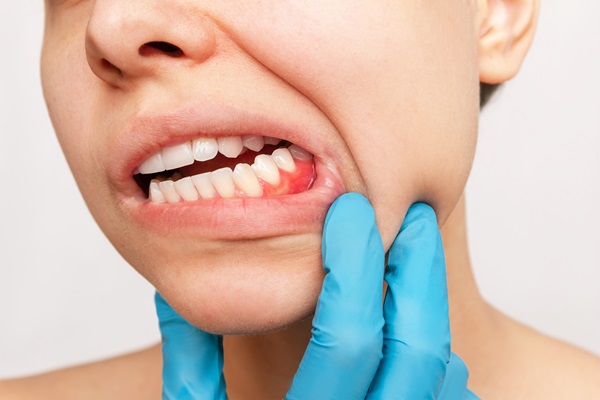
Dentists talk about the effects of gum disease from the time patients are young. There are good reasons for this, as the disease can have significant impacts on a person’s oral health. The disease is common among children, teens, and adults. Fortunately, it is highly preventable. For the most part, you can take some daily steps to avoid the disease. It is good to know what the typical causes are so you can guard against them.
Gum disease: what it is
This oral disease occurs when bacteria form on and around the teeth as well as on the gum tissue. The bacteria can form in deep pockets and begin to destroy the teeth and the structures that support them. In this disease, the gums will start to recede and pull away from the teeth. Eventually, teeth could become loose and fall out. Bone loss is also common in late-stage gum disease, known as periodontitis.
A person with the disease will begin with what is known as gingivitis. It shows up as swollen, inflamed gums that can be red and tender to the touch. The gums may bleed during brushing and flossing. Bad breath and tooth sensitivity are other symptoms.
Poor oral hygiene
Perhaps the most notable factor in gum disease is a lack of good oral hygiene habits. Once a child has teeth, twice-a-day brushing is crucial. A person should use a fluoride-based toothpaste and hit every part of each tooth. Daily flossing is also vital. Both of these activities prevent the buildup of bacteria and the plaque and tartar that follow and attack the teeth and gums. People who neglect these habits will start to see the effects of gum disease.
Other habits such as smoking
Smoking can cause havoc with many health issues, including a person’s oral health. A person who smokes will have a more difficult time healing when gum disease starts. Smoking inhibits the process of the gum tissue rebuilding and repairing. A patient who smokes is more likely to have periodontitis than a patient who does not smoke.
Hormonal changes
With other causes of gum disease, the patient has much less control. Hormonal changes can play a role in the development of this disease. Pregnant women, in particular, are prone to gum problems. At other times in life, such as during puberty and menopause for women, the gums are more sensitive. This makes them more susceptible to gum disease.
Genetics
Another cause that a patient cannot do anything about is hereditary factors. Some people are more likely to have gingivitis or periodontal disease because of family history. In these examples, a person’s gums may be more sensitive. Or the individual may have a more difficult time preventing bacteria from invading the gums.
Basic gum disease treatment
The dentist can provide the patient with antibiotics to fight the gum infection. The patient must finish the course of these medications. Misaligned teeth can cause dental decay because of areas that are difficult to clean. Orthodontic treatment can reduce or remove the infection once the teeth are straight again. It can also relieve the stress on the teeth and gums that contribute to infections.
Scaling clears the tartar buildup underneath the gumline. Root planing gets rid of infections on the tooth root. Removing these infections allows the gums to heal. These two procedures can end the inflammation from the bacteria buildup. If they are not enough, the patient can choose to have the following procedures:
- Crown lengthening
- Soft tissue grafts
- Pocket reduction surgery
- Dental implants
Benefits of periodontal therapy
Getting the right treatment for gum disease is necessary. This could stop the tissue damage. It can also end the symptoms of this condition, including foul breath and gum pain. Below are the benefits of periodontal therapy:
- It freshens the breath. Foul breath is a sign of gum disease. Lack of oral hygiene is the main cause of this condition. Tartar and plaque can build up. These substances can cause an odor. Gum treatments can help reduce the foul odor and freshen one’s breath.
- It enhances one’s smile. Gum tissue frames the shape of teeth. It can deteriorate because of gum disease. The effects of gum disease can prevent the patient from smiling. The treatments can improve the appearance of one’s smile.
- It removes possible health problems. Dental health can reflect on a person’s general health. Bacteria in the gums can seep into the bloodstream. It can reach the different parts of the body. This can cause several complications, such as cardiovascular issues.
Know what you are up against
Gum disease is something to work hard against to prevent. It is good to know what can cause the disease. Being aware of these factors aids you in taking the necessary steps to having good gum health. If you are showing signs of struggling with gum problems, get in touch with your periodontist.
Are you considering getting gum disease treatment in the Cypress area? Get more information at https://www.charlesdyeriv.com.
Check out what others are saying about our dental services on Yelp: Gum Disease in Cypress, TX.
Related Posts
Gum disease treatment is crucial for restoring oral health and preventing periodontal disease from progressing and causing irreversible damage. A periodontist specializes in diagnosing, treating, and managing gum disease, offering expertise and care tailored to each patient's condition. Reviewing the most common questions regarding gum disease treatment can help individuals understand their appointments and care…
When effective, gum disease treatment can relieve pain and prevent tooth loss. When performed on the mildest form of gum disease, also known as gingivitis, treatment can reverse symptoms and completely restore the gums. There are, however, a few things to know to ensure that you get the most out of gum disease treatment, from…
Periodontists often recommend a dental implant for a missing tooth because it has many advantages over alternative options, including dentures. A dental implant is a comprehensive process that requires multiple months from beginning to end. That said, patients often report high levels of satisfaction with their implants and the way that their smiles look afterward.If…
A dental implant needs a strong foundation. The jawbone and its surrounding tissues must be thick enough to support the titanium rod and the artificial tooth above the gumline. A complete assessment can determine if you need this pre-implant surgery. Here are the details on why your periodontist may recommend bone grafting before getting a…