Benefits of Getting a Tooth Replacement From an Oral Surgeon
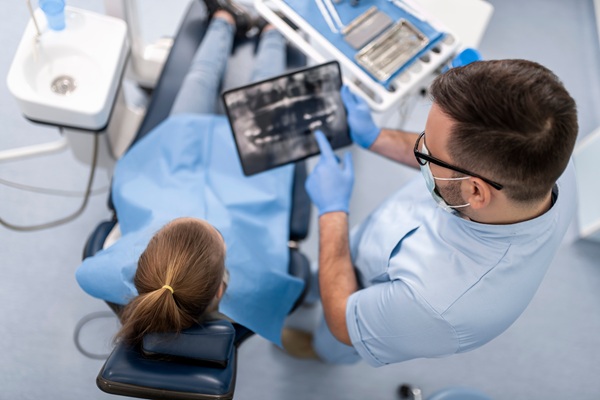
Losing a tooth can be a distressing and traumatic experience. It can impact your oral health, as well as your confidence and overall health and well-being. Fortunately, an oral surgeon has the expertise to help restore your smile and regain your quality of life. They are the ideal dental professionals for tooth replacement procedures, as they have extensive training in oral and maxillofacial surgery.
The benefits of getting tooth replacement from an oral surgeon
1. Specialized knowledge and training
Oral surgeons undergo years of rigorous training and education beyond dental school. Their specialty is the diagnosis and surgical treatment of conditions affecting the mouth, jaw, and face. Their extensive knowledge and training equip them with a deep understanding of oral anatomy and advanced surgical techniques. Whether a patient needs dental implants or full-arch restorations, oral surgeons ensure accurate placement and optimal, long-lasting results.
2. Expertise in dental implant placement
Dental implants have become the go-to treatment for tooth replacement. This restoration consists of titanium posts that act as artificial tooth roots, providing a stable foundation for prosthetic teeth. An experienced oral surgeon possesses the knowledge and skills for successful implant surgeries.
During the consultation, the oral surgeon will evaluate a patient's oral health and determine if they are an appropriate candidate for dental implants. Then, they will create a specialized treatment plan tailored to their needs. From the surgical placement of the implant to the final restoration, the oral surgeon can safely guide the patient through every step of the process.
3. Comprehensive care
Oral surgeons offer comprehensive care for tooth replacement procedures. They can assess a patient's overall oral health and recommend the most appropriate treatment options based on their specific needs. Whether an individual requires a single tooth replacement or a full-arch restoration, oral surgeons have the expertise to provide tailored and effective solutions.
In addition, an oral surgeon can also address complex cases, such as bone grafting or sinus lifts. These procedures may be necessary to ensure the success of dental implant procedures. By receiving comprehensive care from an oral surgeon, patients can have peace of mind knowing their tooth replacement procedure will be handled with care and precision.
4. Sedation and pain management
Undergoing oral surgery can be intimidating for some people. However, oral surgeons are trained to provide sedation and pain management options to ensure patient comfort throughout the procedure. They can discuss sedation options, such as:
- Local anesthesia: Local anesthesia is a common tool in most oral surgery procedures. It involves injecting medication directly into the surgical site to numb the area and block pain signals. During the procedure, the patient remains conscious but feels no pain.
- Nitrous oxide (laughing gas): Nitrous oxide, or "laughing gas," is a mild sedative inhaled through a mask placed over the patient's nose. It helps patients relax and reduces anxiety during oral surgery. It rapidly onsets and wears off, allowing patients to resume normal activities shortly after the procedure.
- Oral sedation: Oral sedation involves the patient taking a prescribed sedative medication orally before surgery. The medication induces relaxation and drowsiness, making the patient less aware of the procedure. It may take a few hours for the sedative effect to wear off, so patients need someone to drive them home.
- Intravenous sedation: This option involves administering sedative medications directly into the bloodstream through an IV line. This method allows precise control of sedative effects throughout the procedure. Since IV sedation causes temporary amnesia, patients rarely remember the procedure.
- General anesthesia: This sedation option is typically reserved for complex oral surgeries or patients with specific medical conditions. This method ensures the patient feels no pain and has no memory of the procedure. An anesthesiologist closely monitors the patient's vital signs during surgery and ensures their safety and comfort.
The oral surgeon will determine the best sedation and pain management option for each patient's specific needs. It will also depend on what the oral surgeon has available and whether the patient requires inpatient care in a hospital setting. When patients choose an oral surgeon to replace their teeth, they can rest assured that the procedure will be performed with their safety and comfort as a top priority.
5. Long-term success and improved quality of life
When a person has their tooth replaced by an oral surgeon, they have the advantage of long-term success and improved quality of life. When placed correctly, dental implants offer exceptional durability and functionality, mimicking natural teeth in appearance and function. Oral surgeons have the expertise to ensure proper implant placement, maximizing tooth replacement success and longevity. By opting for an oral surgeon, patients increase their chances of achieving a long-lasting, natural-looking smile, allowing them to eat, speak, and smile confidently.
Ready to get started?
If you need a tooth replacement, call our office to schedule a consultation with an oral surgeon. With the help of an oral surgeon, you can regain your confidence and enjoy the benefits of a functional and beautiful smile for years to come. Call Charles E. Dyer IV, DDS, MS, PC today to get started.
Request an appointment here: https://www.charlesdyeriv.com or call Charles E. Dyer IV, DDS, MS, PC at (281) 213-0900 for an appointment in our Cypress office.
Check out what others are saying about our dental services on Yelp: Tooth Replacement in Cypress, TX.
Related Posts
Bleeding gums are the most common oral health issue that people experience. You might think you can ignore your bleeding gums or think the issue is not serious. Research shows that your periodontal health does impact your health in other ways. Often bleeding gums is the most obvious sign that all is not well in…
Bleeding gums can be a frustrating and worrying symptom. It can be especially bothersome if it occurs while brushing and flossing. Patients who experience bleeding from the gums should contact a dentist to determine the cause and start treatment.While the sight of blood in the sink can be worrying, having bleeding gums does not have…
Gingivitis treatment focuses on reversing early-stage gum disease before it progresses into more serious periodontal damage. When plaque and bacteria collect along the gumline, the gums can become inflamed, tender, and prone to bleeding. The encouraging news is that gingivitis often improves with timely professional care and consistent home hygiene. A clear plan helps reduce…
One of the most common indicators of dental troubles is bleeding gums. Patients often first notice bleeding while brushing and flossing their teeth. Some people may not realize the significance of this symptom, however. It is important for dental patients who notice any bleeding in the gums following brushing or flossing of the teeth to…