Gingivitis Treatment: How To Reverse Early Stage Gum Disease
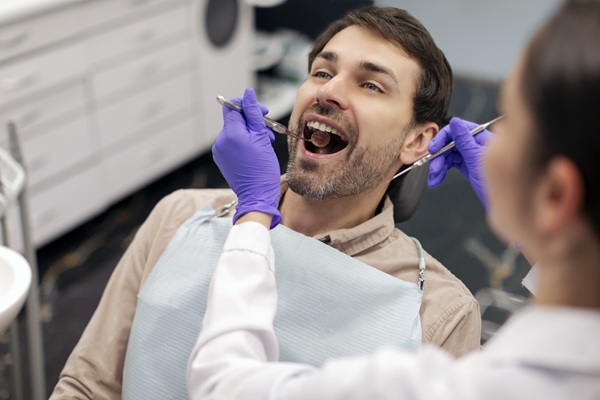
Gingivitis treatment focuses on reversing early-stage gum disease before it progresses into more serious periodontal damage. When plaque and bacteria collect along the gumline, the gums can become inflamed, tender, and prone to bleeding. The encouraging news is that gingivitis often improves with timely professional care and consistent home hygiene. A clear plan helps reduce inflammation, protect enamel and roots, and restore healthier gum tissue.
What gingivitis is and why it develops
Gingivitis is inflammation of the gums caused most often by plaque buildup near the gumline. Plaque is a sticky film that forms when bacteria feed on sugars and starches in the diet. If plaque remains in place, it can irritate gum tissue and trigger swelling and bleeding. Over time, plaque can harden into tartar, which becomes more difficult to remove with brushing alone.
Several factors can increase risk. Inconsistent brushing and flossing allow plaque to remain on teeth longer. Crowded teeth, dental appliances, or rough edges on restorations can create areas that trap bacteria. Smoking and vaping can reduce the body’s ability to heal and may mask bleeding while inflammation continues. Hormonal changes, certain medications that contribute to dry mouth, and unmanaged health conditions can also make gum tissue more vulnerable.
Signs that gingivitis may be present
Gingivitis can progress quietly, especially when discomfort remains mild. Bleeding while brushing or flossing is often an early warning sign, not a normal occurrence. Some patients notice gums that look redder than usual or appear puffy along the margins. Bad breath that persists despite brushing may also indicate bacterial activity around the gumline.
Gums may feel sensitive when eating crunchy foods or when brushing near inflamed areas. In the early stages, tooth mobility is not expected, and bone loss is not typically present. That distinction matters because gingivitis treatment aims to stop inflammation before it affects deeper supporting structures.
How a periodontist diagnoses gingivitis
A dental exam typically includes visual inspection of the gumline, measurement of gum pockets, and evaluation of plaque and tartar deposits. Gentle probing helps identify areas where inflammation may be causing slight detachment or bleeding. We may take dental X-rays to assess bone levels and rule out more advanced periodontal disease.
Diagnosis also involves identifying contributing habits and conditions. A clinician may ask about brushing technique, flossing frequency, tobacco use, dry mouth symptoms, and recent changes in health. The most effective gingivitis treatment plans address both plaque removal and the factors that lead to plaque accumulation.
Professional gingivitis treatment options
Professional care removes bacterial deposits that home brushing cannot fully eliminate. A thorough dental cleaning, often called prophylaxis, targets plaque and tartar above and slightly below the gumline. If tartar buildup is heavy or gum pockets are deeper than expected, a clinician may recommend a more thorough cleaning, such as scaling and root planing. That process removes deposits along root surfaces and helps the gums reattach more firmly.
In some cases, additional tools support results. Antimicrobial rinses or localized antibacterial agents may be recommended to reduce bacterial load during healing. For patients with significant inflammation, a shorter interval between cleanings can help stabilize gum health more quickly. A clinician may also polish teeth to reduce surface roughness, making plaque less likely to cling to the teeth.
Common components of a professional plan may include:
- Comprehensive cleaning to remove plaque and tartar at and under the gumline
- Home-care coaching to improve brushing and flossing effectiveness
- Targeted antimicrobial support when inflammation remains persistent
This approach works best when paired with daily habits that prevent rapid plaque return.
At-home steps that help reverse gingivitis
Daily plaque disruption remains the foundation of reversal. Brushing should occur at least twice daily with a soft-bristle toothbrush and fluoride toothpaste. The brush should angle toward the gumline, using gentle pressure and small motions to sweep plaque away without causing trauma. An electric toothbrush can improve consistency for many patients, especially when dexterity is limited.
Flossing or using interdental cleaners removes bacteria between teeth, where gingivitis often begins. If flossing is difficult, alternatives such as floss picks, interdental brushes, or water flossers may improve compliance. Antiseptic mouth rinses may help reduce bacterial levels, though they should not replace mechanical cleaning.
Diet also influences gum inflammation. Frequent sugary snacks and acidic drinks can feed plaque bacteria. Increasing water intake, choosing balanced meals, and limiting between-meal snacking can help reduce bacterial growth. Tobacco cessation often improves healing and reduces recurrence risk.
Book your appointment today
Gingivitis treatment can reverse early-stage gum disease by removing plaque and tartar, reducing inflammation, and improving daily hygiene habits. Professional cleanings combined with consistent brushing and interdental cleaning often restore healthier gums within weeks. Early intervention helps prevent progression to more advanced periodontal disease and protects the bone and tissues that support the teeth. With ongoing preventive care, gum health can remain stable and resilient over time. For more information or to schedule an appointment, call our office.
To schedule a consultation, please request an appointment on our website at https://www.charlesdyeriv.com/ or call Charles E. Dyer IV, DDS, MS, PC at (281) 213-0900 to arrange an appointment at our Cypress office.
Check out what others are saying about our services on Google: Read our Google reviews.
Related Posts
Receding gums is a condition that leads to gum tissues pulling back from teeth roots. It leaves these roots exposed to acids made by oral bacteria that cause decay. Unlike the crown of a tooth, which is protected by enamel, teeth roots have an outer layer called cementum that is not as durable as enamel.…
When advanced gum disease (periodontitis) creates deep spaces around the teeth, pocket reduction surgery can help make those areas easier to maintain. These periodontal pockets collect plaque, tartar, and bacteria below the gumline, where routine brushing and flossing cannot reach effectively. As pockets deepen, inflammation can damage the gum tissue and bone that support the…
Dental crown lengthening is a periodontal procedure that reshapes gum tissue and, when necessary, the underlying bone to expose more of a tooth's surface. A periodontist may recommend this treatment before restorative care or to improve the appearance of an uneven or overly prominent gumline. Understanding each stage of the process can help patients know…
One essential step a person can take to prevent receding gums is to maintain excellent dental hygiene. Most individuals often neglect their gums and focus on dazzling, pearly white teeth when it comes to oral health. However, having healthy gums is just as important as having healthy teeth.Gum recession has the potential to cause tooth…