Effective Gum Disease Treatment Options: What You Need To Know
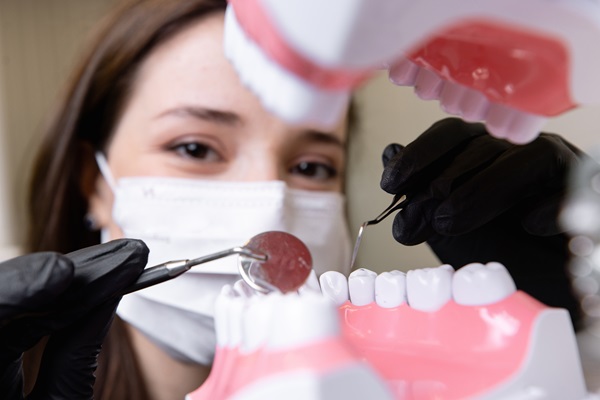
When effective, gum disease treatment can relieve pain and prevent tooth loss. When performed on the mildest form of gum disease, also known as gingivitis, treatment can reverse symptoms and completely restore the gums. There are, however, a few things to know to ensure that you get the most out of gum disease treatment, from when to seek treatment to what that treatment may entail.
Signs of gum disease
Gum disease is progressive. The first stage is gingivitis, which will progress into periodontitis if left untreated. Symptoms of gingivitis include inflammation, discoloration, bleeding, and tenderness of the gum tissue. The most common signs that gingivitis has progressed into periodontitis are:
- Puffy, swollen, tender gums
- Pain while chewing
- Persistent bad breath
- Receding gums
- Loose teeth
- Pus between gums and teeth
- Black triangles between the teeth
A dentist can identify these signs and symptoms during a routine dental cleaning. However, they cannot always provide the treatment necessary to restore a patient's smile. They are likely to refer the patient to a periodontist for comprehensive gum disease treatment.
When to see a periodontist about gum disease
It is recommended that patients consult a periodontist upon being referred to one by a dentist. However, patients can often go directly to a periodontist if they are experiencing signs of moderate to severe periodontitis. Confirm with the periodontist's office that they accept self-referral patients and with the insurance provider to ensure the visit will be covered.
Keep in mind that it is better not to delay seeing a periodontist. Prompt treatment not only saves teeth but also prevents the discomfort that comes with untreated gum disease. For instance, patients can avoid continued pain while chewing, brushing, and flossing. Where black triangles between teeth and receding gums are concerned, they can also boost confidence by addressing these cosmetic and oral health issues.
Gum disease treatments from a periodontist
Periodontists provide both non-surgical and surgical gum disease treatments. Typically, the non-surgical treatments are reserved for mild to moderate stages of periodontitis. Surgical treatments will likely be combined with non-surgical interventions for more advanced stages, such as a gum graft followed by a course of antibiotics.
Here is a better look at gum disease treatments from a periodontist:
Scaling and root planing
Together, scaling and root planing provide deep teeth cleaning as the periodontist cleans below the gum line. They will scale away plaque and tartar built up there, either with manual dental instruments, an ultrasonic scaler, or a dental laser. The root planing part of this procedure involves smoothing the surfaces of the tooth roots so that the gums can reattach to them, resulting in a restored gum line.
Antibiotics
Gum disease causes the gums to become inflamed due to infection. Thus, a periodontist may prescribe antibiotic treatment to control the infection. Antibiotics may be applied to the gums as a topical gel or mouth rinse, or alternatively, the periodontist may prescribe an oral antibiotic for several days. According to Medical News Today, doxycycline and metronidazole are the most common antibiotics.
No matter the type of antibiotic prescribed for gum disease treatment, patients must take the entire course. Do not stop taking them once symptoms subside. Taking the full course of antibiotics prevents the development of an antibiotic-resistant gum infection.
Surgeries
According to the Mayo Clinic, a periodontist may perform a variety of surgical procedures as part of a gum disease treatment plan. For instance, pocket reduction surgery involves making incisions in the gums to better access the tooth roots and underlying bone. Thus, a periodontist may perform pocket reduction surgery prior to scaling and root planing.
Other examples of surgical gum disease treatments include:
- Gum grafts.In which soft tissue (usually taken from the roof of the mouth) is grafted on receded gums to rebuild them.
- Dental bone grafts. In which bone tissue is grafted onto the jawbone to restore it after gum disease has caused it to lose volume or density.
- Tissue-stimulating proteins. In which a periodontist applies a gel to the tooth root, helping to regrow a deteriorated jawbone or gum tissue from periodontitis.
A periodontist will take dental X-rays to determine the severity of the patient's gum disease. As mentioned, the results may show that the most effective treatment combines several treatments, such as pocket reduction surgery and a dental bone graft.
Schedule an appointment with our periodontist
If you suspect you have gum disease, you will likely benefit from consulting a periodontist. At Charles E. Dyer IV, DDS, MS, PC, we deliver gum disease treatments for patients in Cypress and the surrounding area. Call (281) 213-0900 today to book an appointment.
Request an appointment here: https://www.charlesdyeriv.com/ or call Charles E. Dyer IV, DDS, MS, PC at (281) 213-0900 for an appointment in our Cypress office.
Check out what others are saying about our dental services on Google: Gum Disease Treatment in Cypress, TX.
Related Posts
Receding gums are usually a scary and painful condition. It helps to be aware of the symptoms of gum recession as well as how to avoid them. Various issues may cause gum recession, but individuals who smoke or use tobacco regularly are more prone to it. Continue reading to learn more about why this is…
Receding gums are more likely to affect people over 30, but aging does not necessarily cause it. Gum recession is often a symptom of gum disease, an infection of gum tissues caused by the bacteria inside plaque and tartar. These microorganisms build these substances, which house them, and the acids that they make.People over the…
Receding gums occur as a result of periodontitis (gum disease). Early intervention for gum disease can minimize the invasiveness of treatment, and many patients are able to restore the health of their gums and teeth through improvements in their oral care routine, non-invasive dental treatments, and at-home remedies.At-home remedies do not reverse receding gums, but…
Receding gums can be a symptom of gingivitis, the first stage of gum disease. It can also be caused by other factors, like a genetic predisposition to developing gum recession or bad brushing techniques.Gingivitis occurs when plaque and tartar make their way below gum tissues. The bacteria inside them infect gum tissues, leading to an…